In today’s globalized world, businesses are no longer limited to operating within their home countries. Advances in technology, transportation, communication, and international trade agreements have made it easier for companies to expand across borders and reach customers worldwide. This process of conducting commercial activities between two or more countries is known as international business.
International business includes importing and exporting goods, establishing overseas offices, foreign investments, licensing, franchising, and global partnerships. Companies engage in international business to increase sales, access new markets, reduce costs, and strengthen their competitive position.
From multinational corporations to small and medium-sized enterprises (SMEs), businesses of all sizes are exploring international opportunities. However, while international expansion offers significant benefits, it also presents several challenges. Differences in culture, regulations, currency exchange rates, and political environments can create obstacles for businesses operating globally.
Understanding the advantages and disadvantages of international business can help entrepreneurs, managers, and investors make informed decisions about expanding into global markets.
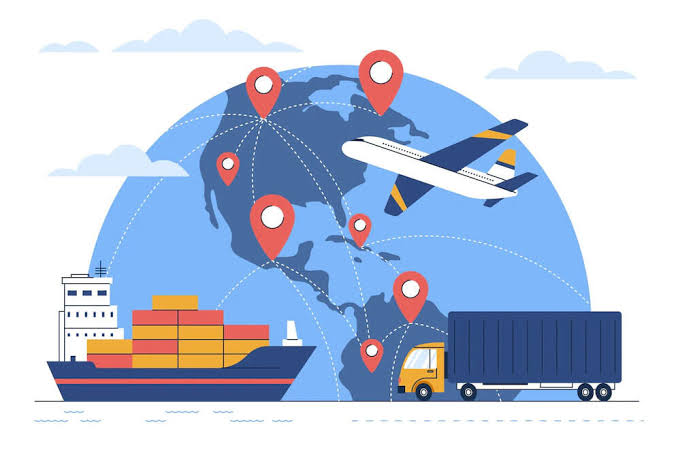
What is International Business?
International business refers to commercial activities conducted across national borders. It involves the exchange of goods, services, technology, capital, and knowledge between businesses, governments, and consumers in different countries.
Common forms of international business include:
- Importing and exporting
- Foreign direct investment (FDI)
- International franchising
- Licensing agreements
- Joint ventures
- Strategic partnerships
The primary objective of international business is to expand market reach, increase profitability, and take advantage of global opportunities.
Advantages of International Business
1. Access to Larger Markets
One of the biggest advantages of international business is access to a larger customer base.
Instead of relying solely on domestic demand, businesses can:
- Reach millions of new customers
- Enter emerging markets
- Increase brand visibility
- Expand sales opportunities
This broader market access often leads to higher revenue and business growth.
2. Increased Revenue and Profitability
Expanding into international markets can significantly increase sales volumes.
Benefits include:
- Higher product demand
- Greater market diversification
- Multiple revenue streams
- Improved profitability
Businesses that successfully establish a global presence often generate more revenue than those operating only in local markets.
3. Business Growth Opportunities
International expansion provides opportunities for long-term growth.
Companies can:
- Launch new products
- Enter untapped markets
- Build international partnerships
- Strengthen market position
This growth potential makes international business attractive for ambitious organizations.
4. Economies of Scale
As production and sales increase, businesses can benefit from economies of scale.
Advantages include:
- Lower production costs
- Improved operational efficiency
- Reduced per-unit expenses
- Better profit margins
Higher production volumes often lead to cost savings and improved competitiveness.
5. Access to Global Talent
International business enables companies to recruit skilled professionals from different countries.
Benefits include:
- Diverse perspectives
- Specialized expertise
- Innovation opportunities
- Improved workforce quality
A global workforce can enhance creativity and business performance.
6. Diversification of Risk
Relying on a single market can be risky. Economic downturns, political changes, or market saturation can negatively impact business performance.
International operations help businesses:
- Spread risk across multiple markets
- Reduce dependence on one economy
- Improve business stability
Diversification can provide protection against local market fluctuations.
7. Competitive Advantage
Companies operating internationally often gain valuable experience and knowledge.
This can lead to:
- Stronger brand recognition
- Better market intelligence
- Improved product offerings
- Enhanced innovation
Global exposure can help businesses stay ahead of competitors.
8. Access to Resources and Raw Materials
International business allows companies to source materials and resources from different countries.
This may provide:
- Lower production costs
- Better quality materials
- Reliable supply chains
- Greater operational efficiency
Access to global resources can improve overall business performance.
Disadvantages of International Business
1. Cultural Differences
One of the biggest challenges in international business is dealing with cultural differences.
Differences in:
- Language
- Traditions
- Consumer behavior
- Business practices
can create communication barriers and misunderstandings.
Understanding local culture is essential for success in foreign markets.
2. Complex Legal and Regulatory Requirements
Each country has its own laws and regulations regarding:
- Taxes
- Labor laws
- Product standards
- Trade policies
- Intellectual property protection
Businesses must comply with these regulations, which can increase administrative complexity.
3. Currency Exchange Risks
International transactions often involve multiple currencies.
Fluctuations in exchange rates can:
- Reduce profits
- Increase costs
- Create pricing challenges
Managing foreign exchange risk is an important aspect of international business.
4. Political and Economic Uncertainty
Changes in government policies, political instability, or economic crises can affect business operations.
Potential risks include:
- Trade restrictions
- Increased tariffs
- Regulatory changes
- Market disruptions
These uncertainties can impact profitability and investment decisions.
5. High Operating Costs
Expanding internationally often requires significant investment.
Common expenses include:
- Market research
- Legal compliance
- International marketing
- Distribution networks
- Staffing and training
Businesses must carefully evaluate costs before entering foreign markets.
6. Supply Chain Challenges
Managing international supply chains can be complicated.
Businesses may face:
- Shipping delays
- Customs procedures
- Transportation costs
- Inventory management issues
Supply chain disruptions can affect customer satisfaction and profitability.
7. Communication Barriers
Language differences and varying communication styles can create misunderstandings between businesses, employees, and customers.
Effective communication often requires:
- Translation services
- Local representatives
- Cultural training
These additional requirements can increase operational complexity.
8. Strong Global Competition
International markets often contain well-established local and global competitors.
Businesses may face challenges such as:
- Price competition
- Brand recognition issues
- Market entry barriers
Competing effectively requires strong strategies and continuous innovation.
International Business vs Domestic Business
| Factor | International Business | Domestic Business |
| Market Reach | Global | Local/National |
| Growth Potential | High | Limited |
| Risk Level | Higher | Lower |
| Regulatory Complexity | High | Moderate |
| Competition | Global | Local |
| Investment Requirement | Higher | Lower |
| Cultural Challenges | Significant | Minimal |
While international business offers greater opportunities, it also involves higher complexity and risk.
Tips for Success in International Business
Conduct Thorough Market Research
Understanding customer preferences, competition, and market conditions is essential before entering a foreign market.
Adapt to Local Cultures
Products, marketing strategies, and communication styles should be customized for local audiences.
Build Strong Local Partnerships
Collaborating with local distributors, suppliers, and advisors can improve market entry and operations.
Manage Currency Risks
Using hedging strategies and financial planning can reduce the impact of exchange rate fluctuations.
Stay Compliant
Businesses should continuously monitor legal and regulatory requirements in every market where they operate.
Conclusion
International business has become an important growth strategy for companies seeking new opportunities in an increasingly connected world. By expanding beyond domestic markets, businesses can access larger customer bases, increase revenue, diversify risk, and gain competitive advantages.
However, international operations also come with challenges such as cultural differences, legal complexities, currency risks, political uncertainty, and higher operating costs. Success in international business requires careful planning, market research, adaptability, and effective risk management.
Organizations that understand both the opportunities and challenges of international business are better positioned to build sustainable global operations and achieve long-term success. As globalization continues to shape the modern economy, international business will remain a key driver of growth and innovation for businesses worldwide.
Frequently Asked Questions (FAQs)
Q1. What is international business?
International business refers to commercial activities such as trade, investment, and partnerships conducted between businesses or organizations in different countries.
Q2. What are the main advantages of international business?
Key advantages include larger markets, increased revenue, business growth opportunities, risk diversification, and access to global resources.
Q3. What is the biggest challenge in international business?
Cultural differences and varying legal regulations are among the biggest challenges faced by international businesses.
Q4. Why do companies expand internationally?
Companies expand internationally to increase sales, enter new markets, reduce dependence on domestic demand, and improve profitability.
Q5. What are examples of international business activities?
Examples include importing, exporting, foreign direct investment, franchising, licensing, and international joint ventures.
Q6. How does international business help economic growth?
International business creates jobs, increases trade, attracts investment, promotes innovation, and contributes to economic development.
Q7. What are currency exchange risks?
Currency exchange risks occur when fluctuations in foreign exchange rates affect the value of international transactions and profits.
Q8. Is international business suitable for small businesses?
Yes. With e-commerce, digital marketing, and global logistics services, many small businesses can successfully participate in international markets.