The Business-to-Business (B2B) business model refers to transactions that take place between one business and another business. In this model, companies sell products, services, or solutions to other companies instead of individual consumers. B2B businesses play a crucial role in the global economy because they provide the resources, technology, equipment, and support that organizations need to operate efficiently.
Examples of B2B businesses include software providers, manufacturing companies, wholesalers, logistics firms, consulting agencies, and industrial equipment suppliers. For instance, a company that manufactures office furniture and sells it to corporate offices follows a B2B business model.
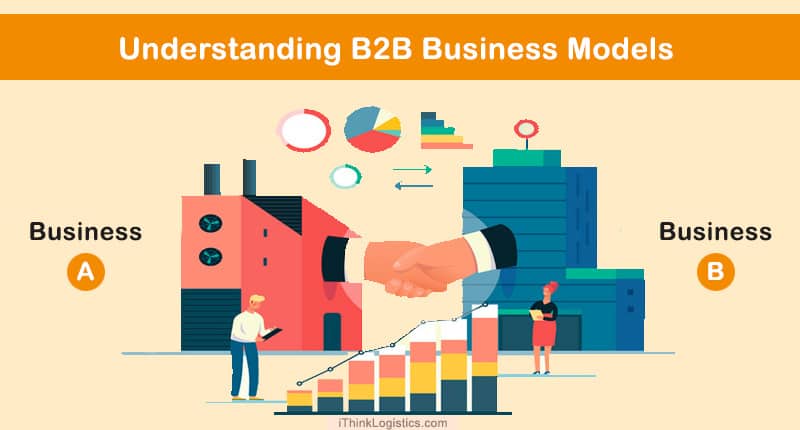
With the rise of digital transformation and online marketplaces, the B2B sector has experienced significant growth over the last decade. However, like every business model, B2B comes with both benefits and challenges. Understanding its advantages and disadvantages can help entrepreneurs and business owners make informed decisions.
What is a B2B Business Model?
A B2B business model involves the exchange of products or services between businesses. Unlike Business-to-Consumer (B2C) companies that target individual buyers, B2B companies focus on organizations, institutions, and enterprises.
Common B2B examples include:
- Software companies providing enterprise solutions
- Manufacturers supplying raw materials to factories
- Marketing agencies serving corporate clients
- Logistics companies handling business shipments
- Industrial machinery suppliers
The primary goal of B2B businesses is to help other organizations improve productivity, reduce costs, increase efficiency, or generate revenue.
Advantages of the B2B Business Model
1. Higher Order Value
One of the biggest advantages of the B2B model is the larger transaction size. Businesses often purchase products or services in bulk, resulting in higher sales values compared to individual consumer purchases.
For example, a company may purchase 100 laptops for its employees, while a consumer usually buys only one. This allows B2B companies to generate substantial revenue from fewer customers.
2. Long-Term Customer Relationships
B2B transactions often lead to long-term business relationships. Once a company finds a reliable supplier or service provider, it tends to continue working with them for years.
These long-term partnerships provide:
- Stable revenue streams
- Predictable business growth
- Reduced customer acquisition costs
- Increased customer loyalty
3. Better Revenue Predictability
Many B2B businesses operate through contracts, subscriptions, or recurring agreements. This creates consistent income and makes financial planning easier.
Examples include:
- SaaS subscriptions
- Annual maintenance contracts
- Monthly consulting retainers
- Supply agreements
Recurring revenue improves business stability and cash flow management.
4. Lower Marketing Costs
Compared to B2C companies that must attract thousands of individual customers, B2B businesses often focus on a smaller number of high-value clients.
This allows them to:
- Target specific industries
- Use account-based marketing
- Build direct relationships with decision-makers
- Achieve higher returns on marketing investments
As a result, customer acquisition can become more efficient.
5. Greater Customer Loyalty
Business customers prioritize reliability, quality, and consistency. Once trust is established, they are less likely to switch suppliers frequently.
Strong relationships can lead to:
- Repeat purchases
- Contract renewals
- Referrals
- Upselling opportunities
This loyalty can significantly strengthen a company’s market position.
6. Opportunities for Customization
B2B clients often require customized solutions tailored to their specific business needs.
For example:
- Custom software development
- Specialized machinery
- Industry-specific consulting services
- Personalized logistics solutions
Customized offerings create additional value and often command premium pricing.
7. Higher Profit Margins
Many B2B products and services are specialized and require expertise. Since competition may be lower in niche markets, businesses can charge higher prices and maintain healthy profit margins.
Industries such as enterprise software, industrial manufacturing, and consulting frequently benefit from strong margins.
Disadvantages of the B2B Business Model
1. Longer Sales Cycle
One major challenge of B2B businesses is the lengthy sales process. Purchasing decisions often involve multiple stakeholders, approvals, and evaluations.
The sales cycle may include:
- Initial meetings
- Product demonstrations
- Negotiations
- Budget approvals
- Contract reviews
This process can take weeks or even months before a deal is finalized.
2. Dependence on Key Clients
Many B2B companies generate a significant portion of their revenue from a small number of customers.
If a major client leaves, the business may face:
- Revenue loss
- Cash flow problems
- Reduced profitability
- Operational challenges
Diversifying the customer base is essential to reduce this risk.
3. Complex Decision-Making Process
Unlike consumer purchases that may be driven by emotions, B2B buying decisions are usually based on detailed analysis and business objectives.
Companies must convince multiple decision-makers, including:
- Managers
- Department heads
- Procurement teams
- Financial officers
- Executives
This complexity makes selling more difficult.
4. High Customer Expectations
Business clients expect professional service, timely delivery, and ongoing support.
Failure to meet expectations can result in:
- Contract termination
- Negative reputation
- Revenue loss
- Reduced customer retention
B2B companies must consistently maintain high service standards.
5. Intense Competition
Many B2B industries are highly competitive. Businesses often compete based on:
- Pricing
- Product quality
- Customer service
- Innovation
- Industry expertise
Standing out from competitors requires continuous improvement and investment.
6. Significant Initial Investment
Launching a B2B business often requires substantial resources, including:
- Skilled professionals
- Technology infrastructure
- Product development
- Sales teams
- Compliance requirements
The initial setup cost can be considerably higher than some B2C businesses.
7. Economic Sensitivity
B2B businesses are closely linked to the financial health of their clients. During economic downturns, companies may reduce spending, postpone projects, or cancel contracts.
This can directly impact:
- Sales volume
- Revenue growth
- Business expansion plans
Therefore, B2B companies must prepare for market fluctuations.
B2B vs B2C: Key Differences
| Factor | B2B | B2C |
| Target Audience | Businesses | Individual Consumers |
| Order Size | Large | Small |
| Sales Cycle | Longer | Shorter |
| Decision Makers | Multiple | Single Person |
| Relationship Duration | Long-Term | Short-Term |
| Marketing Approach | Relationship-Based | Emotion-Based |
| Purchase Frequency | Regular | Varies |
Understanding these differences helps businesses choose the most suitable model for their products and services.
Is the B2B Business Model Right for You?
The B2B model is ideal for businesses that offer products or services capable of solving organizational problems. Companies with specialized expertise, scalable solutions, or industry-specific offerings often perform well in the B2B market.
Businesses should consider:
- Market demand
- Competition levels
- Sales capabilities
- Financial resources
- Long-term growth goals
A successful B2B strategy focuses on trust, quality, customer relationships, and delivering measurable business value.
Conclusion
The B2B business model remains one of the most profitable and sustainable business structures in today’s economy. It offers numerous advantages, including larger order values, recurring revenue, long-term relationships, and strong profit potential. These benefits make B2B an attractive option for entrepreneurs and established companies alike.
However, businesses must also navigate challenges such as long sales cycles, customer dependency, complex decision-making processes, and economic uncertainties. Success in the B2B sector requires patience, strategic planning, excellent customer service, and a commitment to building lasting partnerships.
When managed effectively, the B2B business model can provide stable growth, consistent revenue, and significant opportunities for expansion in both local and global markets.
Frequently Asked Questions (FAQs)
1. What does B2B stand for?
B2B stands for Business-to-Business, a model where companies sell products or services to other businesses rather than individual consumers.
2. What are some examples of B2B businesses?
Examples include software providers, manufacturers, wholesalers, logistics companies, consulting firms, and industrial equipment suppliers.
3. What is the biggest advantage of the B2B business model?
One of the biggest advantages is higher transaction value, as businesses often make large purchases or sign long-term contracts.
4. What is the biggest challenge in B2B sales?
The longer sales cycle is often the biggest challenge because purchasing decisions involve multiple stakeholders and approval processes.
5. How is B2B different from B2C?
B2B focuses on selling to businesses, while B2C targets individual consumers. B2B transactions are generally larger, more complex, and relationship-driven.
6. Can small businesses succeed in the B2B market?
Yes. Many small businesses successfully operate in B2B sectors by offering specialized products, expert services, or niche solutions.
7. Why are customer relationships important in B2B?
Strong relationships help build trust, encourage repeat business, improve customer retention, and create opportunities for referrals and long-term contracts.
8. Is the B2B business model profitable?
Yes. With high-value transactions, recurring revenue opportunities, and long-term client relationships, B2B businesses can be highly profitable when managed effectively.