The Business-to-Consumer (B2C) business model is one of the most common and widely recognized forms of commerce in the world. In this model, businesses sell products or services directly to individual consumers for personal use. From retail stores and restaurants to e-commerce platforms and streaming services, B2C businesses are part of our everyday lives.
With the rapid growth of the internet and digital technology, the B2C sector has expanded significantly. Consumers can now purchase products, book services, and access digital content with just a few clicks. Popular companies such as online retailers, food delivery platforms, clothing brands, and subscription-based services all operate under the B2C model.
While the B2C business model offers tremendous opportunities for growth and customer reach, it also presents unique challenges. Understanding its advantages and disadvantages can help entrepreneurs and businesses determine whether this model is suitable for their goals.
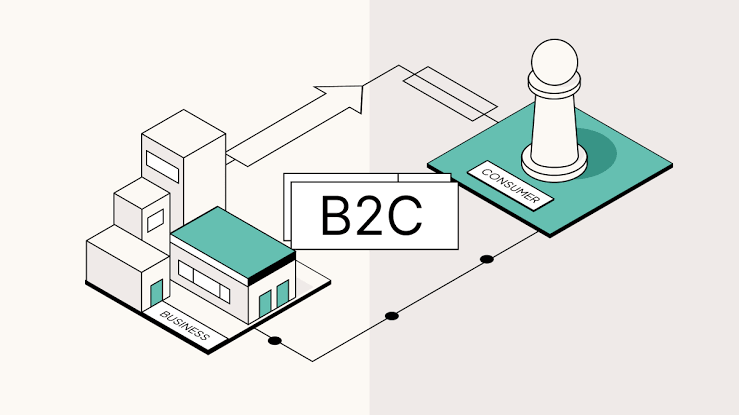
What is a B2C Business Model?
B2C stands for Business-to-Consumer. It refers to a business model where companies sell products or services directly to end consumers rather than other businesses.
Examples of B2C businesses include:
- Online shopping websites
- Supermarkets and retail stores
- Restaurants and cafes
- Mobile app subscriptions
- Fashion and clothing brands
- Travel and hospitality services
The primary objective of a B2C business is to attract consumers, satisfy their needs, and encourage repeat purchases.
Advantages of the B2C Business Model
1. Large Customer Base
One of the biggest advantages of the B2C model is access to a vast market. Every individual consumer is a potential customer, giving businesses opportunities to reach millions of people.
With online platforms and social media, businesses can expand beyond local markets and attract customers from different cities, states, and even countries.
2. Faster Sales Process
Unlike B2B transactions, which often require multiple approvals and negotiations, B2C purchases are generally made quickly.
Consumers can make buying decisions within minutes based on factors such as:
- Price
- Product features
- Reviews
- Brand reputation
- Convenience
This shorter sales cycle allows businesses to generate revenue more quickly.
3. Greater Brand Awareness Opportunities
B2C companies can use various marketing channels to build brand recognition, including:
- Social media marketing
- Influencer partnerships
- Search engine optimization (SEO)
- Television and radio advertising
- Email marketing
A strong brand can help businesses attract new customers and increase customer loyalty.
4. Easier Customer Acquisition Through Digital Marketing
Digital platforms provide businesses with cost-effective ways to reach potential customers.
Tools such as:
- Google Ads
- Facebook Ads
- Instagram promotions
- YouTube advertising
allow businesses to target specific audiences and generate sales efficiently.
5. Opportunities for Impulse Purchases
Many B2C purchases are influenced by emotions, trends, and promotions. Attractive product displays, discounts, and limited-time offers can encourage consumers to make spontaneous buying decisions.
This creates additional revenue opportunities that are less common in B2B environments.
6. Quick Customer Feedback
B2C businesses receive direct feedback from customers through:
- Online reviews
- Social media comments
- Surveys
- Customer support interactions
This feedback helps businesses improve products, services, and customer experiences more quickly.
7. Scalability
Successful B2C businesses can scale rapidly, especially through e-commerce platforms. Once systems and operations are established, companies can increase sales without significantly increasing costs.
Many online brands have grown from small startups into global businesses due to the scalability of the B2C model.
Disadvantages of the B2C Business Model
1. High Competition
The B2C market is highly competitive because many businesses often sell similar products and services.
Consumers can easily compare:
- Prices
- Features
- Reviews
- Delivery options
As a result, companies must constantly innovate and differentiate themselves from competitors.
2. Lower Customer Loyalty
Consumer preferences can change quickly. Customers often switch brands if they find:
- Better prices
- Higher quality
- Faster delivery
- Attractive promotions
This makes customer retention more challenging compared to B2B businesses.
3. Higher Marketing Costs
Attracting individual consumers often requires significant investment in advertising and promotions.
Common expenses include:
- Social media campaigns
- Search engine marketing
- Influencer collaborations
- Discounts and coupons
- Content creation
Without effective marketing strategies, customer acquisition costs can become very high.
4. Lower Average Order Value
Most B2C transactions involve smaller purchase amounts compared to B2B deals.
For example:
- A consumer may buy one laptop.
- A company may purchase hundreds of laptops at once.
As a result, B2C businesses typically need a larger number of customers to achieve substantial revenue.
5. Changing Consumer Behavior
Consumer trends can shift rapidly due to:
- New technologies
- Social media influences
- Economic conditions
- Seasonal preferences
Businesses must constantly monitor market trends and adapt their offerings accordingly.
6. Increased Customer Service Demands
Serving a large number of customers often generates significant customer support requirements.
Common issues include:
- Product returns
- Refund requests
- Shipping delays
- Product inquiries
Providing excellent customer service can require substantial time and resources.
7. Economic Sensitivity
Consumer spending often decreases during economic downturns. When people face financial uncertainty, they may postpone non-essential purchases.
This can lead to:
- Reduced sales
- Lower profitability
- Increased inventory challenges
B2C businesses must be prepared to manage fluctuations in consumer demand.
B2C vs B2B: Key Differences
| Factor | B2C | B2B |
| Target Audience | Individual Consumers | Businesses |
| Sales Cycle | Short | Long |
| Order Value | Lower | Higher |
| Decision Process | Individual | Multiple Stakeholders |
| Marketing Focus | Emotional Appeal | Business Value |
| Customer Relationship | Often Short-Term | Usually Long-Term |
| Purchase Frequency | Varies | Often Recurring |
Understanding these differences helps businesses choose the most suitable strategy for their products and services.
Tips for Success in a B2C Business
To succeed in the B2C market, businesses should focus on:
Delivering Excellent Customer Experience
Consumers value convenience, fast service, and positive interactions. A smooth buying journey can significantly improve customer satisfaction.
Building a Strong Brand
A recognizable brand helps businesses stand out in crowded markets and increases customer trust.
Leveraging Digital Marketing
Using SEO, social media, content marketing, and paid advertising can help attract and retain customers.
Offering Competitive Pricing
Consumers frequently compare prices before making purchases. Competitive pricing can improve conversion rates.
Encouraging Customer Loyalty
Loyalty programs, personalized offers, and exceptional service can increase repeat purchases and long-term customer value.
Conclusion
The B2C business model is one of the most popular and accessible ways to conduct business. It provides opportunities to reach large audiences, generate quick sales, build strong brands, and scale rapidly through digital channels.
However, businesses must also overcome challenges such as intense competition, high marketing costs, changing consumer preferences, and lower customer loyalty. Success in the B2C market requires a deep understanding of consumer behavior, effective marketing strategies, and a commitment to delivering outstanding customer experiences.
When managed effectively, a B2C business can achieve sustainable growth, strong brand recognition, and long-term profitability in today’s competitive marketplace.
Frequently Asked Questions (FAQs)
Q1. What does B2C stand for?
B2C stands for Business-to-Consumer, a model where businesses sell products or services directly to individual customers.
Q2. What are examples of B2C businesses?
Examples include retail stores, e-commerce websites, restaurants, streaming services, travel companies, and fashion brands.
Q3. What is the main advantage of the B2C business model?
The biggest advantage is access to a large customer base, allowing businesses to reach millions of potential buyers.
Q4. What is the biggest challenge in B2C?
High competition is one of the biggest challenges because consumers have many options and can easily switch brands.
Q5. How is B2C different from B2B?
B2C focuses on individual consumers, while B2B focuses on businesses. B2C transactions are generally faster and smaller in value.
Q6. Why is digital marketing important for B2C businesses?
Digital marketing helps businesses reach targeted audiences, increase brand awareness, and generate sales through online channels.
Q7. Can small businesses succeed in the B2C market?
Yes. Many small businesses succeed by offering unique products, excellent customer service, and effective online marketing strategies.
Q8. How can a B2C business improve customer loyalty?
Businesses can improve loyalty by providing quality products, excellent customer support, rewards programs, and personalized experiences.