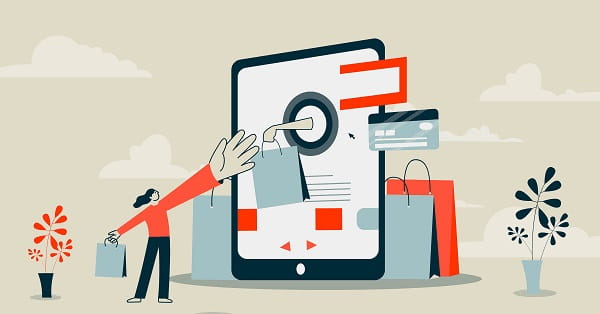
The Direct-to-Consumer (D2C) business model has emerged as one of the fastest-growing business strategies in the modern digital economy. In this model, brands sell their products directly to customers without relying on traditional intermediaries such as wholesalers, distributors, or retail stores. By eliminating middlemen, D2C businesses gain greater control over their products, pricing, customer relationships, and overall brand experience.
The rise of e-commerce platforms, digital marketing, social media, and online payment systems has made it easier than ever for companies to connect directly with consumers. Today, many startups and established brands are adopting the D2C approach to build stronger customer relationships and improve profit margins.
Popular industries using the D2C model include fashion, beauty, electronics, health products, home décor, food delivery, and personal care products. While the D2C model offers significant opportunities for growth and customer engagement, it also presents several challenges. Understanding its advantages and disadvantages can help entrepreneurs and business owners decide whether this model is right for their business.
What is a D2C Business Model?
D2C stands for Direct-to-Consumer. It is a business model where manufacturers or brands sell products directly to end consumers instead of using third-party retailers or distributors.
In the D2C model:
- Brands create and market their own products.
- Sales are conducted through company-owned websites, mobile apps, or brand stores.
- Businesses interact directly with customers.
- Customer data is collected and analyzed by the brand itself.
Examples of D2C businesses include:
- Online fashion brands
- Skincare and beauty companies
- Fitness and wellness brands
- Consumer electronics startups
- Subscription-based product companies
The primary objective of D2C businesses is to establish direct relationships with customers while maximizing profitability.
How the D2C Business Model Works
The D2C model follows a relatively simple process:
- A company designs or manufactures a product.
- The brand promotes the product through digital marketing channels.
- Customers place orders directly through the company website or app.
- The business processes and fulfills orders.
- Products are delivered directly to consumers.
- The company collects feedback and maintains customer relationships.
This direct connection enables brands to understand customer preferences and improve their offerings more effectively.
Advantages of the D2C Business Model
1. Higher Profit Margins
One of the biggest advantages of the D2C model is the elimination of intermediaries.
Without distributors and retailers taking a share of revenue, businesses can:
- Increase profit margins
- Control pricing strategies
- Offer competitive prices to customers
This direct sales approach allows brands to retain a larger portion of each sale.
2. Direct Customer Relationships
D2C businesses interact directly with customers throughout the purchasing journey.
This provides valuable opportunities to:
- Build customer trust
- Improve customer loyalty
- Offer personalized experiences
- Gather direct feedback
Strong customer relationships often lead to repeat purchases and long-term growth.
3. Better Control Over Brand Image
Traditional retail channels may limit how products are displayed and marketed. D2C brands maintain complete control over:
- Brand messaging
- Product presentation
- Website design
- Marketing campaigns
- Customer experience
This consistency helps strengthen brand identity and recognition.
4. Access to Customer Data
Customer data is one of the most valuable assets in modern business.
D2C companies can collect insights such as:
- Buying behavior
- Product preferences
- Browsing patterns
- Customer demographics
- Purchase frequency
These insights help improve marketing strategies and product development.
5. Faster Product Innovation
Direct customer feedback allows businesses to identify trends and market demands quickly.
Benefits include:
- Faster product improvements
- Better product-market fit
- Increased customer satisfaction
- More successful product launches
This agility provides a competitive advantage in rapidly changing markets.
6. Global Market Reach
Through e-commerce platforms, D2C businesses can sell products worldwide without establishing physical retail stores.
This allows brands to:
- Reach international customers
- Expand into new markets
- Increase revenue opportunities
- Build global brand recognition
7. Personalized Marketing Opportunities
Since D2C companies have direct access to customer data, they can create highly targeted marketing campaigns.
Examples include:
- Personalized product recommendations
- Email marketing campaigns
- Loyalty programs
- Retargeting advertisements
Personalization often improves conversion rates and customer retention.
Disadvantages of the D2C Business Model
1. High Customer Acquisition Costs
One of the biggest challenges in the D2C model is attracting customers.
Businesses often invest heavily in:
- Social media advertising
- Search engine marketing
- Influencer partnerships
- Content marketing
Customer acquisition costs can become expensive, especially in competitive industries.
2. Responsibility for Logistics and Fulfillment
Unlike traditional retail models, D2C companies must manage:
- Inventory
- Packaging
- Shipping
- Returns
- Delivery tracking
Handling logistics efficiently can be complex and costly.
3. Limited Physical Presence
Many D2C brands operate primarily online, which may limit customer interaction with products before purchase.
Some consumers prefer to:
- See products in person
- Test products before buying
- Receive immediate purchases
This can be a disadvantage compared to traditional retail stores.
4. High Competition
The low barrier to entry in e-commerce has led to increased competition among D2C brands.
Businesses often compete on:
- Pricing
- Product quality
- Customer experience
- Marketing effectiveness
Standing out in crowded markets requires continuous innovation.
5. Dependence on Digital Channels
Most D2C businesses rely heavily on digital platforms for traffic and sales.
Changes in:
- Search engine algorithms
- Social media policies
- Advertising costs
can significantly impact business performance.
6. Customer Service Demands
Since brands interact directly with consumers, they must handle all customer service responsibilities.
Common tasks include:
- Order inquiries
- Product support
- Return requests
- Complaint resolution
Providing excellent customer support requires dedicated resources.
7. Inventory and Cash Flow Risks
D2C businesses often purchase inventory before sales occur.
This can create challenges such as:
- Excess stock
- Storage costs
- Cash flow issues
- Unsold inventory
Accurate demand forecasting is essential for maintaining profitability.
D2C vs Traditional Retail Model
| Factor | D2C Model | Traditional Retail |
| Sales Channel | Direct to Consumer | Through Retailers |
| Customer Data Access | Full Access | Limited Access |
| Profit Margin | Higher | Lower |
| Brand Control | Complete | Partial |
| Customer Relationship | Direct | Indirect |
| Inventory Management | Brand Managed | Shared with Retailers |
| Marketing Control | High | Limited |
This comparison highlights why many modern brands are shifting toward the D2C approach.
Tips for Building a Successful D2C Business
Focus on Customer Experience
Providing smooth navigation, fast delivery, and responsive support can significantly improve customer satisfaction.
Build a Strong Brand Identity
A memorable brand helps attract customers and encourages repeat purchases.
Use Data Effectively
Analyzing customer behavior can improve product offerings and marketing campaigns.
Invest in Digital Marketing
SEO, social media marketing, and content marketing are essential for driving traffic and sales.
Optimize Supply Chain Operations
Efficient inventory management and reliable logistics help reduce costs and improve customer satisfaction.
Conclusion
The Direct-to-Consumer (D2C) business model has revolutionized the way brands interact with customers. By eliminating intermediaries, businesses gain greater control over pricing, branding, customer relationships, and profit margins. The model also provides valuable customer data that supports innovation and personalized marketing.
However, D2C businesses face challenges such as high customer acquisition costs, logistics management, intense competition, and dependence on digital platforms. Success requires a strong brand, efficient operations, data-driven decision-making, and exceptional customer service.
As e-commerce continues to grow and consumers increasingly prefer online shopping, the D2C model is expected to remain a powerful strategy for brands seeking direct engagement and sustainable growth in the digital marketplace.
Frequently Asked Questions (FAQs)
Q1. What does D2C stand for?
A: D2C stands for Direct-to-Consumer, a business model where brands sell products directly to customers without intermediaries such as wholesalers or retailers.
Q2. What are examples of D2C businesses?
A: Examples include online fashion brands, skincare companies, fitness product brands, electronics startups, and subscription-based product services.
Q3. What is the biggest advantage of the D2C business model?
A: Higher profit margins are one of the biggest advantages because brands eliminate intermediaries and retain more revenue from each sale.
Q4. Why is customer data important in D2C?
A: Customer data helps businesses understand buying behavior, improve marketing campaigns, personalize experiences, and develop better products.
Q5. What is the biggest challenge in D2C?
A: Customer acquisition can be challenging because businesses often need significant marketing investments to attract new customers.
Q6. Is D2C suitable for small businesses?
A: Yes. Many startups and small businesses successfully use the D2C model because digital platforms provide affordable ways to reach consumers.
Q7. How does D2C differ from traditional retail?
A: In D2C, brands sell directly to consumers, while traditional retail involves intermediaries such as wholesalers and retail stores.
Q8. Can D2C businesses scale internationally?
A: Yes. Through e-commerce platforms and digital marketing, D2C businesses can reach customers globally and expand into international markets.