Water scarcity is a growing crisis in India. With depleting groundwater, erratic monsoons, and rising urban demand, many cities and towns face acute shortages, especially during summer. The average Indian household consumes far more water than necessary due to outdated habits and inefficient fixtures. However, simple changes can reduce household water usage by 30–50% without sacrificing comfort or hygiene. Water conservation not only lowers your bills but also contributes to the nation’s sustainability efforts.
This article shares practical, actionable water-saving tips specifically tailored for Indian households — from compact urban apartments to independent homes.
1. Adopt Efficient Bathroom Habits
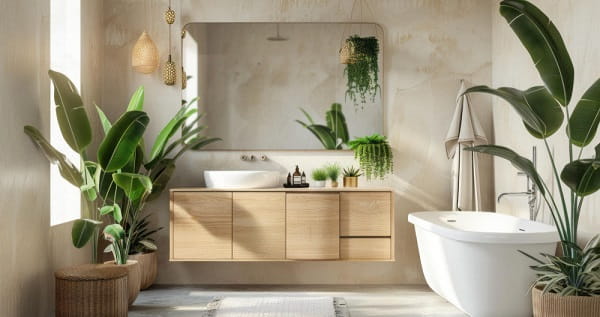
Bathrooms account for nearly 40–50% of household water consumption in India.
- Bucket Bathing: Switch from showers to traditional bucket bathing. A 10-minute shower can use 80–150 litres, while a bucket bath typically uses only 20–40 litres.
- Install Low-Flow Fixtures: Replace regular showerheads and taps with aerators and low-flow models that mix air with water, reducing usage by 30–60%.
- Fix Leaks Immediately: A dripping tap wastes up to 20 litres per day. Check and repair all faucets regularly.
- Use Dual-Flush Toilets: These can save 50% water per flush compared to traditional single-flush systems.
Pro Tip: Place a bucket in the shower to collect cold water while waiting for it to heat up. Reuse this water for mopping or flushing.
2. Smart Kitchen Water Practices
Indian kitchens use significant water for washing utensils, vegetables, and cooking.
- Use a Bowl or Plug Sink: Wash vegetables and utensils in a filled basin instead of running taps continuously.
- Scrape Before Washing: Remove food residues before washing to reduce water needed for rinsing.
- Reuse Vegetable Wash Water: Collect water used for rinsing vegetables and use it for watering plants.
- Install Water-Efficient Dishwashers or Use Them Wisely: Run only full loads if you own one.
Traditional practices like using ash or mud for cleaning certain vessels can also minimize water use.
3. Laundry Water Conservation
Washing machines and hand washing consume large volumes of water.
- Wash Full Loads Only: A washing machine uses the same water whether half-full or full. Aim for full loads.
- Use Eco or Quick Wash Modes: Modern machines have water-saving cycles.
- Collect Rinse Water: Reuse the final rinse water for cleaning floors or watering gardens.
- Hand Wash Strategically: For small loads, hand washing with a limited bucket of water is often more efficient.
4. Garden and Outdoor Water Management
Outdoor water use can be optimized easily.
- Water Plants Early Morning or Evening: This reduces evaporation loss.
- Use Drip Irrigation or Soaker Hoses: Far more efficient than sprinklers or hoses.
- Mulch Garden Beds: Mulching retains soil moisture and reduces watering frequency.
- Harvest Rainwater: Install simple rainwater harvesting systems — mandatory in many states — and use the water for gardening and cleaning.
5. General Household Strategies
- Install Water Meters: Monitoring usage makes you more conscious.
- Educate Family Members: Teach children and elders simple habits like turning off taps while brushing.
- Upgrade to 5-Star Rated Appliances: Energy-efficient washing machines and dishwashers also save water.
- Reuse Greywater: Treated water from bathrooms and kitchens (after basic filtration) can be used for gardening or toilet flushing.
Long-Term Investments That Pay Off
- Pressure-Reducing Valves: Reduce water flow without affecting pressure.
- RO Reject Water Management: Reuse RO wastewater for cleaning or gardening after proper filtration.
- Full Home Audit: Hire professionals for a water audit to identify hidden leaks and inefficiencies.
Benefits of Water Conservation
Reducing water usage lowers monthly bills, reduces strain on municipal supplies, and contributes to groundwater recharge. It also prepares your household for future water shortages and sets a responsible example for children.
Conclusion
Water conservation in Indian households doesn’t require drastic lifestyle changes — small, consistent habits and smart upgrades can yield impressive results. By adopting bucket bathing, fixing leaks, reusing water intelligently, and investing in efficient fixtures, every family can play a vital role in preserving this precious resource.
Start today by conducting a simple water audit of your home. Track your usage for one week and implement three tips from this article. Over time, these practices will become second nature, saving money, protecting the environment, and ensuring a sustainable future for the next generation. Every drop saved counts in building a water-secure India.
FAQ
Q1: How much water can an average Indian household save with these tips?
A: A typical household can reduce consumption by 30–50% (50,000–1,00,000 litres per year) by following consistent water-saving practices.
Q2: Is bucket bathing really more efficient than showers?
A: Yes. A standard 10-minute shower uses significantly more water than a traditional bucket bath.
Q3: What is the best way to reuse kitchen water?
A: Collect vegetable rinse water and the final rinse from washing machines for gardening or floor cleaning.
Q4: How do I check for hidden water leaks at home?
A: Turn off all taps and check your water meter. If it’s still moving, there is a leak somewhere in the system.
Q5: Are water-saving fixtures expensive?
A: Initial investment is moderate, but they pay for themselves within 6–12 months through reduced bills.
Q6: Can rainwater harvesting be done in apartments?
A: Yes. Many societies now implement common rainwater harvesting systems. Individual balcony systems are also possible.
Q7: How can I involve my entire family in water conservation?
A: Conduct a family meeting, assign responsibilities, track monthly bills together, and reward consistent efforts.