In India, where electricity costs are steadily rising and summers push air conditioners to their limits, making your home more energy efficient is both an economic necessity and an environmental responsibility. With frequent power fluctuations, high humidity in coastal regions, extreme heat in the north, and increasing appliance usage, a typical household can easily waste 30–50% of its electricity through inefficient practices. The good news is that significant savings are possible through simple upgrades, smart habits, and strategic planning — often reducing monthly bills by 25–40% without sacrificing comfort.
This guide provides practical, actionable steps tailored for Indian homes, from compact urban apartments to independent houses, to help you lower energy consumption while maintaining a comfortable living environment.
1. Upgrade to Energy-Efficient Lighting
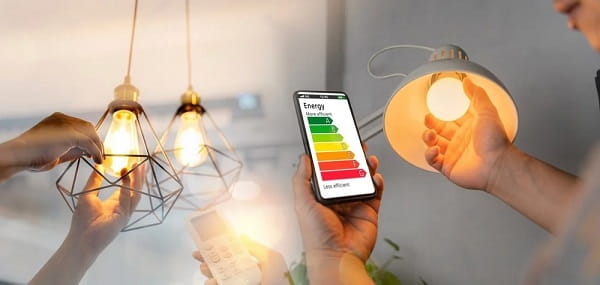
Lighting is one of the easiest areas to improve.
- Replace all incandescent and CFL bulbs with LED lights. LEDs use up to 80% less electricity and last 10–15 times longer.
- Install motion-sensor lights in corridors, bathrooms, and staircases to avoid unnecessary usage.
- Use task lighting (table lamps, under-cabinet lights) instead of bright overhead lights when possible.
- Opt for BEE 5-star rated fixtures and consider smart lighting systems that allow scheduling and dimming.
Potential Savings: Switching 20 bulbs can save ₹2,000–5,000 annually depending on usage.
2. Optimize Cooling and Ventilation
Cooling systems are major electricity consumers during Indian summers.
- Service air conditioners annually and clean filters monthly. A dirty filter can increase consumption by 15–20%.
- Set AC temperature to 24–26°C and use ceiling fans simultaneously — this combination feels comfortable at higher temperatures.
- Choose 5-star rated inverter ACs for better efficiency.
- Improve natural ventilation with cross-breezes and use exhaust fans in kitchens and bathrooms.
- Apply reflective roof coatings or whitewash terraces to reduce heat gain in top-floor apartments.
Additional Tip: Use desert coolers in dry regions instead of ACs where feasible.
3. Choose Energy-Efficient Appliances
When buying new appliances, always check the BEE star rating.
- Refrigerators, washing machines, and geysers should be 5-star rated.
- Use pressure cookers and induction cooktops for faster, more efficient cooking.
- Run washing machines and dishwashers only with full loads and use eco modes.
- Service geysers regularly and insulate hot water pipes to reduce heat loss.
Long-term Impact: Upgrading major appliances can save thousands of rupees every year.
4. Improve Insulation and Passive Cooling
A well-insulated home requires less active cooling.
- Seal gaps around windows and doors with weather stripping.
- Use thermal curtains or reflective window films on sun-facing windows.
- Add false ceilings with insulation in top-floor rooms.
- Plant shade trees or install pergolas on the west and south sides to block direct sunlight.
These passive techniques can reduce indoor temperatures by 3–5°C naturally.
5. Adopt Smart Habits and Monitoring
Technology and behaviour changes go hand in hand.
- Install a home energy monitor to track real-time consumption and identify high-use appliances.
- Unplug chargers and appliances when not in use to eliminate standby power.
- Shift heavy usage (washing, water heating) to off-peak hours if your utility offers time-of-day tariffs.
- Educate family members about turning off lights, fans, and devices when leaving rooms.
6. Consider Renewable Energy Solutions
For long-term savings, explore solar power.
- Rooftop solar systems with net metering can drastically cut bills and even generate income.
- Solar water heaters are highly effective in most parts of India and qualify for government subsidies.
Conclusion
Making your home more energy efficient is a continuous process that combines smart upgrades, better habits, and awareness. Start with low-cost changes like LED lighting, regular appliance servicing, and improved ventilation. Gradually invest in 5-star appliances, better insulation, and solar solutions for maximum impact. Track your electricity bills monthly to measure progress and stay motivated.
Every unit saved not only reduces your expenses but also contributes to India’s energy sustainability goals. A well-planned, energy-efficient home is more comfortable, healthier, and future-ready. Begin today — small consistent actions will yield significant savings and environmental benefits over time.
FAQ
Q1: How much can I realistically save by making my home energy efficient?
A: Most households can reduce electricity bills by 25–40% within 6–12 months through consistent efforts and upgrades.
Q2: Are 5-star rated appliances worth the extra cost?
A: Yes. The higher upfront cost is usually recovered within 1–2 years through lower running expenses.
Q3: What is the single most effective way to save electricity?
A: Regular servicing of ACs and fans combined with using ceiling fans alongside ACs offers quick and noticeable savings.
Q4: How do I check for energy wastage at home?
A: Install a home energy monitor or observe your meter reading when all major appliances are turned off.
Q5: Is solar power a good investment for average Indian homes?
A: Yes. With government subsidies and net metering, solar systems typically pay for themselves in 4–6 years.
Q6: Should I replace old appliances immediately?
A: Prioritize high-usage items like refrigerators and ACs. Others can be replaced when they near the end of their efficient lifespan.
Q7: Can simple habits really make a difference?
A: Absolutely. Turning off unused lights and appliances, using natural ventilation, and full-load washing can save hundreds of units annually.