Electricity powers nearly every aspect of modern Indian homes — from lighting and fans to air conditioners, geysers, and kitchen appliances. Yet, it remains one of the most dangerous elements if not handled properly. Electrical accidents cause thousands of injuries and fires every year in India, often due to faulty wiring, overloaded circuits, or lack of awareness. With frequent voltage fluctuations, humid climates accelerating corrosion, and growing use of high-power appliances, electrical safety has become more critical than ever for homeowners.
This article outlines essential electrical safety tips that every Indian homeowner should follow to protect their family, property, and finances. Implementing these practices can prevent accidents, reduce repair costs, and ensure peace of mind.
1. Schedule Regular Electrical Inspections
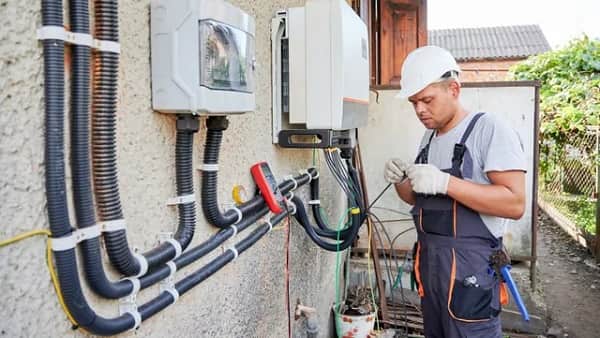
One of the most effective ways to prevent electrical hazards is through periodic professional inspections.
- Get your entire electrical system checked by a licensed electrician at least once every two years, or annually in older homes.
- Pay special attention to hidden wiring in walls, distribution boards, and earthing systems.
- During monsoons, inspect for signs of moisture damage or short circuits.
Early detection of loose connections, frayed wires, or overloaded circuits can prevent major fires or shocks. Budget ₹3,000–8,000 for a comprehensive home electrical audit.
2. Ensure Proper Earthing and Grounding
Proper earthing is non-negotiable in Indian homes due to frequent power surges and thunderstorms.
- Verify that all major appliances (geysers, ACs, refrigerators) are properly earthed.
- Install an Earth Leakage Circuit Breaker (ELCB) or Residual Current Device (RCD) at the main distribution board.
- Test earthing resistance periodically — it should be below 5 ohms for safety.
Poor earthing is a leading cause of electrical shocks and appliance damage. Never ignore tingling sensations when touching appliances.
3. Avoid Overloading Electrical Circuits
Overloading sockets and extension boards is a common but dangerous practice in many Indian households.
- Never connect multiple high-power appliances (AC, geyser, microwave) to a single socket or extension board.
- Use individual high-amperage sockets for heavy appliances.
- Replace old distribution boards with modern MCB (Miniature Circuit Breaker) panels that offer better protection.
Overloading is a primary reason for electrical fires. Teach family members, especially children, about safe usage.
4. Use Quality Electrical Products and Appliances
Cheap, unbranded products are a major safety risk.
- Always buy ISI-marked wires, switches, plugs, and appliances from reputed brands.
- For extensions and multi-plugs, choose those with built-in surge protection and overload safeguards.
- Replace old, damaged, or non-standard wiring immediately.
Investing in quality products may cost more initially but prevents frequent replacements and hazards.
5. Childproof Your Electrical Systems
Children are naturally curious and vulnerable to electrical accidents.
- Install safety plugs or outlet covers on unused sockets.
- Keep electrical cords out of reach and use cord organizers.
- Educate older children about dangers of inserting objects into sockets or playing near electrical panels.
6. Handle Power Fluctuations and Surges Carefully
Voltage fluctuations are very common across India.
- Install voltage stabilizers for sensitive appliances like refrigerators, ACs, and TVs.
- Use surge protectors for computers and entertainment systems.
- During storms, unplug major appliances to protect against lightning surges.
7. Safe Practices for Wet Areas
Bathrooms and kitchens are high-risk zones due to water.
- Install waterproof fixtures and IP-rated switches.
- Keep electrical appliances away from water sources.
- Never operate switches with wet hands.
- Ensure proper earthing for geysers and washing machines.
8. Emergency Preparedness
- Know the location of your main switch and distribution board.
- Keep a basic electrical safety kit (insulated gloves, torch, fire extinguisher suitable for electrical fires).
- Teach family members basic first aid for electrical shocks.
Conclusion
Electrical safety is not complicated, but it requires consistent attention and responsible habits. By conducting regular inspections, using quality products, avoiding overloads, and maintaining proper earthing, Indian homeowners can significantly reduce risks and create a safer living environment. Remember, prevention is always better — and cheaper — than dealing with accidents or fires.
Make electrical safety a priority in your home maintenance routine. Teach these practices to every family member, especially children and elders. A safe home is a happy home, and proactive electrical care is one of the best investments you can make for your family’s well-being and peace of mind.
FAQ
Q1: How often should I get my home wiring checked?
A: At least once every two years, or annually in older homes or after major renovations.
Q2: What should I do during a power surge?
A: Unplug sensitive appliances and use surge protectors. Install a whole-house surge protection device for better safety.
Q3: Are extension boards safe to use?
A: Only high-quality ones with overload protection. Avoid daisy-chaining multiple extensions and never overload them.
Q4: How can I childproof electrical sockets?
A: Use plastic safety plugs or covers on all unused sockets and keep cords secured.
Q5: What is the importance of proper earthing?
A: Proper earthing prevents electric shocks and protects appliances from damage during power surges or faults.
Q6: Can I install electrical fixtures myself?
A: Minor tasks like changing bulbs or switches are okay, but wiring, earthing, and major installations should be done by licensed electricians.
Q7: What is the best way to prevent electrical fires at home?
A: Avoid overloading circuits, use quality appliances, maintain wiring, and install MCBs and smoke detectors. Regular inspections are crucial.