The choice between an Indian (squat) toilet and a Western (commode) toilet is a common dilemma for many homeowners in India. While the Western toilet has gained popularity in urban apartments and modern households, the traditional Indian squat toilet continues to hold cultural and health significance. Both have distinct advantages and limitations, influenced by factors like comfort, hygiene, space, cost, and health benefits. With changing lifestyles, joint family structures, and increasing awareness of ergonomics, understanding the differences is essential before making a decision during home renovation or new construction.
This article provides a balanced comparison to help Indian families choose the toilet type that best suits their needs.
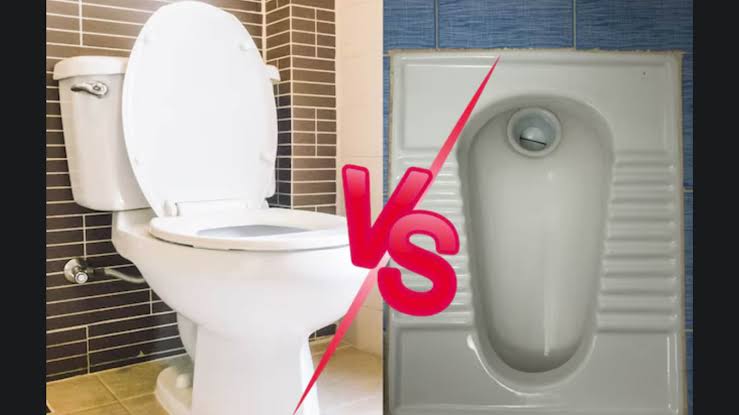
Understanding the Two Types
Indian Toilet (Squat Toilet):
This is the traditional floor-mounted design where the user squats. It is still widely used in rural areas and many urban households, especially in bathrooms designed for Indian-style cleaning.
Western Toilet (Commode):
This is the seated toilet common in Western countries. It features a bowl with a seat and is more common in modern apartments and luxury homes in India.
Key Comparison Factors
- Health and Hygiene Benefits
Many health experts and studies suggest that the squatting position of the Indian toilet is more natural and beneficial for bowel movement. It aligns the rectum properly, reduces straining, and may help prevent constipation and hemorrhoids. The Western toilet, while comfortable, can sometimes lead to incomplete evacuation due to the seated posture.
However, Western toilets are often considered easier to keep clean for elderly people and those with joint problems. They reduce the risk of falls associated with squatting on wet floors. Both types can be hygienic if maintained properly, but squat toilets require more physical effort for cleaning the floor area.
- Comfort and Accessibility
Western toilets are significantly more comfortable for senior citizens, pregnant women, people with knee or back issues, and young children. They allow sitting comfortably and are easier to use for longer durations. Indian toilets, while excellent for digestion, can be challenging for the elderly or those with mobility issues.
- Space and Cost
Indian toilets are more space-efficient and cheaper to install. They require less area and simpler plumbing. Western toilets need more space for the commode and often additional fittings like a flush tank. Installation costs for a Western toilet setup are usually higher due to the need for a larger platform and proper drainage slope.
- Water Usage and Cleaning
Indian toilets generally use less water for flushing. They are also easier to clean thoroughly with a mug and water, a practice deeply rooted in Indian hygiene culture (using water instead of just toilet paper). Western toilets often require more water and may need toilet paper or bidet sprays for effective cleaning. Many modern Indian homes now install health faucets (jet sprays) with Western toilets to combine the best of both worlds.
- Cultural and Practical Aspects
In traditional Indian culture, the squat toilet is still preferred by many for its perceived cleanliness and alignment with Ayurvedic principles. However, younger generations and urban families increasingly favour Western toilets for comfort and modernity. In joint families, having both options is becoming common — one Indian and one Western toilet in separate bathrooms.
Modern Hybrid Solutions
Many Indian households are adopting hybrid approaches:
- Western Toilet with Health Faucet: Combines comfort with traditional Indian cleaning methods.
- Convertible or Foldable Designs: Some innovative models allow flexibility between sitting and squatting positions.
- Smart Toilets: High-end models with bidet functions, heated seats, and self-cleaning features are entering premium urban homes.
Factors to Consider Before Choosing
- Family Composition: If you have elderly members or small children, a Western toilet is often more practical.
- Space Availability: Small bathrooms may be better suited for Indian toilets.
- Budget: Western toilet setups usually cost more due to additional plumbing and fittings.
- Maintenance: Consider your willingness to maintain cleanliness. Western toilets require regular brush cleaning, while Indian toilets need floor mopping.
- Future Needs: Think about long-term usability as family members age.
Installation and Maintenance Tips
- Ensure proper slope for drainage in both types.
- Use high-quality ceramic or vitreous china products from reputed brands like Parryware, Hindware, or Cera.
- Install anti-slip tiles around the toilet area for safety.
- Maintain regular cleaning schedules and use good-quality disinfectants.
- For Western toilets, use rim blocks or cleaners to prevent stains.
Conclusion
There is no absolute “better” option between Indian and Western toilets — it depends on your family’s priorities, health needs, space constraints, and lifestyle. While the Indian squat toilet offers health benefits and water efficiency, the Western commode provides greater comfort and accessibility. Many modern Indian homes are successfully combining both by installing Western toilets with health faucets.
Evaluate your specific requirements, budget, and long-term needs before making a choice. Consulting a good plumber or interior designer can help you make the most suitable decision for your home. Ultimately, the best toilet is one that promotes hygiene, comfort, and convenience for everyone in your family.
FAQ
Q1: Which toilet is more hygienic — Indian or Western?
Both can be hygienic with proper maintenance. Indian toilets allow better cleaning with water, while Western toilets are easier for elderly users if equipped with a health faucet.
Q2: Are Western toilets more expensive to install?
Yes, they usually cost more due to additional plumbing requirements and the need for a larger platform.
Q3: Can I convert an Indian toilet to Western?
Yes, it is possible during renovation, though it requires proper planning for drainage slope and space.
Q4: Which toilet is better for senior citizens?
Western toilets are generally more comfortable and safer for senior citizens as they reduce strain on knees and back.
Q5: Do Western toilets use more water?
Modern dual-flush Western toilets are quite water-efficient. Traditional single-flush models may use more water than Indian toilets.
Q6: Is it common to have both types in one home?
Yes, many Indian families install both — Western in the main bathroom and Indian in another for flexibility.
Q7: What is the best way to clean a Western toilet?
Use a good toilet cleaner weekly, scrub thoroughly including under the rim, and use a health faucet for personal cleaning.