Bringing a child into the world is a joyous occasion, but it also introduces new responsibilities — chief among them, ensuring the home is safe for curious little explorers. In India, where joint families, multi-story homes, compact urban apartments, and traditional furniture are common, childproofing requires thoughtful planning tailored to local living conditions. From high-rise balconies in Mumbai and Delhi to bustling kitchens with open gas stoves, everyday Indian homes contain numerous hidden hazards for toddlers and young children.
Childproofing is not about wrapping your home in bubble wrap but about creating a safe environment that allows children to explore while minimizing risks. This comprehensive guide offers practical, affordable, and effective strategies to childproof your home, covering key areas and common Indian household challenges.
1. Secure Entry Points and High-Risk Areas
Doors and Windows:
Install safety locks on windows, especially on higher floors. Use window restrictors or grills with small gaps. For balconies, ensure railings are high enough (at least 3.5–4 feet) and have vertical bars to prevent climbing. In apartments, coordinate with the society for common area safety.
Stairs:
Use sturdy stair gates at both the top and bottom of staircases. Pressure-mounted gates are easy to install and remove. For homes with spiral or narrow stairs, consider custom solutions or temporary barriers.
Balconies and Terraces:
These are high-risk zones in Indian homes. Avoid placing furniture near railings that children can climb. Use safety netting or temporary barriers during playtime.
2. Kitchen Safety Measures
Indian kitchens are hubs of activity with hot stoves, sharp utensils, and cleaning chemicals.
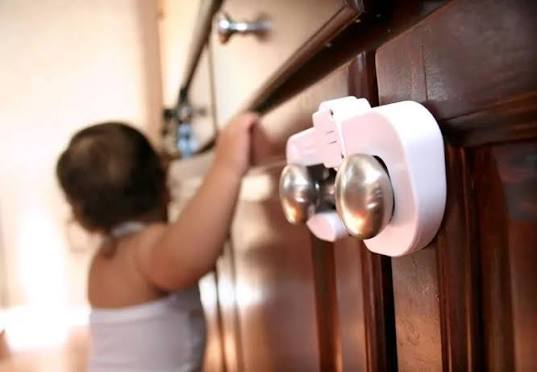
- Install childproof locks on all lower cabinets and drawers containing knives, glassware, and cleaning supplies.
- Use stove knob covers and a stove guard to prevent accidental burns.
- Keep hot vessels and sharp tools away from the edges of counters.
- Store pressure cookers and heavy appliances out of reach.
- Teach older children basic safety rules, but never rely solely on supervision for toddlers.
Tip: Create a “safe zone” in the kitchen with toys or books so children feel included without being in harm’s way.
3. Bathroom and Laundry Safety
Bathrooms pose risks of drowning, slipping, and poisoning.
- Never leave a child unattended in the bathroom, even for a moment.
- Install non-slip mats in bathtubs and on floors.
- Use toilet locks to prevent access to water and cleaning supplies.
- Store medicines, cosmetics, and toiletries in locked cabinets.
- Set water heaters to a safe temperature (around 49°C) to prevent scalding.
For laundry areas, keep detergents and washing machines inaccessible.
4. Living Room and Bedroom Safety
Living rooms often contain the most tempting hazards for children.
- Secure heavy furniture (bookshelves, TVs, wardrobes) to walls using anti-tip straps to prevent tipping accidents.
- Cover electrical outlets with safety plugs.
- Use corner guards on sharp furniture edges.
- Keep small objects, choking hazards (coins, buttons, nuts), and plastic bags out of reach.
- Secure loose cords from blinds, chargers, and lamps.
In bedrooms, ensure cribs meet safety standards and remove unnecessary pillows and blankets for infants.
5. General Home Safety Practices
- Electrical Safety: Use MCBs, avoid overloading sockets, and keep wires concealed or covered.
- Fire Safety: Install smoke detectors and keep fire extinguishers accessible. Have an emergency escape plan.
- Pest Control: Use child-safe methods for pest control. Store pesticides securely.
- Supervision and Education: No gadget or lock replaces adult supervision. Teach children safety rules as they grow.
- Regular Checks: Walk through your home from a child’s eye level every few months to spot new hazards as your child grows.
Budget-Friendly Childproofing Ideas
Childproofing doesn’t have to be expensive. Many solutions are available at local markets or online for under ₹500–2,000. Focus on high-risk areas first. Second-hand or DIY options (corner guards from foam sheets, cabinet locks from simple latches) work well for budget-conscious families.
Conclusion
Childproofing your home is an ongoing process that evolves as your child grows. By addressing key areas like entry points, kitchen, bathroom, and living spaces, and combining physical barriers with supervision and education, you can create a safe environment that allows healthy exploration. In Indian homes, where space is often shared and families are close-knit, a well-childproofed home brings peace of mind to parents and grandparents alike.
Start today by conducting a room-by-room safety audit. Involve the entire family in the process. Remember, the goal is not to eliminate all risks but to minimize serious harm while fostering a nurturing environment. A safe home is the foundation for happy childhood memories and a worry-free parenting journey.
FAQ
Q1: At what age should I start childproofing my home?
Begin childproofing as soon as your baby starts crawling, around 6–8 months. Continue updating as the child grows.
Q2: Are expensive childproofing products necessary?
No. Many affordable local solutions and DIY methods work effectively. Prioritize high-risk areas first.
Q3: How do I childproof my kitchen effectively?
Use cabinet locks, stove guards, and keep dangerous items out of reach. Create a safe play zone away from the cooking area.
Q4: What is the biggest hazard in Indian homes for toddlers?
Unsecured balconies, open electrical sockets, and accessible cleaning supplies are among the top risks.
Q5: Should I childproof even if I have helpers or grandparents at home?
Yes. Supervision is important, but physical barriers provide an extra layer of safety when attention is divided.
Q6: How often should I review my childproofing measures?
Every 3–6 months or whenever your child reaches a new developmental milestone (crawling, walking, climbing).
Q7: Can childproofing make my home look unattractive?
Not at all. Modern childproofing products are discreet and can blend seamlessly with your interior design.