In an age of constant connectivity, it may seem surprising that loneliness and social isolation are becoming increasingly common. Social media, messaging apps, video calls, and online communities have made it easier than ever to stay in touch, yet many people still report feeling disconnected from others. While digital communication can be valuable, it often cannot fully replace the benefits of meaningful, face-to-face human interaction.
Strong social connections are essential for mental, emotional, and even physical health. Studies consistently show that people with supportive relationships tend to experience lower stress levels, better emotional well-being, improved resilience, and a higher quality of life. As a result, building real-world communities has become an important wellness goal for many individuals seeking deeper connections and a greater sense of belonging.
If you’re feeling isolated or looking to strengthen your social life, understanding how to build meaningful real-world communities can be a powerful step toward improving overall well-being.
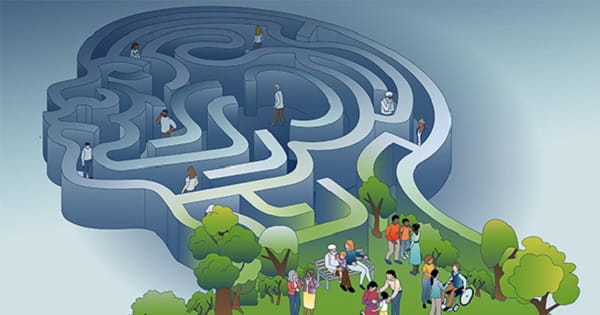
Understanding Social Isolation
Social isolation occurs when a person has limited social contact or lacks meaningful relationships and community engagement.
Isolation can happen for many reasons, including:
- Remote work
- Relocation to a new city
- Busy schedules
- Life transitions
- Retirement
- Excessive screen time
- Social anxiety
While occasional solitude can be healthy, long-term isolation may affect mental and physical health.
Common effects of isolation include:
- Increased stress
- Anxiety and depression
- Reduced motivation
- Poor sleep
- Lower self-esteem
- Feelings of loneliness
This is why creating opportunities for genuine human connection is so important.
Why Real-World Communities Matter
Humans are naturally social beings. We thrive when we feel connected, supported, and understood.
Real-world communities provide:
Emotional Support
Trusted relationships create safe spaces for sharing challenges, celebrating successes, and navigating difficult times.
A Sense of Belonging
Being part of a group helps individuals feel valued and accepted.
Improved Mental Health
Social interactions can reduce feelings of loneliness and improve emotional well-being.
Personal Growth
Community involvement often introduces new perspectives, experiences, and learning opportunities.
Strong social connections contribute to a healthier and more fulfilling life.
Start With Shared Interests
One of the easiest ways to build community is by connecting with people who share similar interests.
Consider activities such as:
- Fitness classes
- Book clubs
- Yoga groups
- Running clubs
- Gardening communities
- Art workshops
- Hiking groups
- Volunteer organizations
Shared activities create natural opportunities for conversation and relationship-building.
When people gather around common interests, connections often develop more organically.
Prioritize Consistency
Meaningful relationships rarely form through one-time interactions.
Community is built through repeated contact and shared experiences over time.
For example:
- Attend the same fitness class each week
- Visit local community events regularly
- Join recurring group activities
- Participate in volunteer programs consistently
Familiarity helps transform acquaintances into genuine friendships.
Small, regular interactions often have a greater impact than occasional large social events.
Be Willing to Take Initiative
Many people wait for invitations, but building community often requires taking the first step.
Simple actions include:
- Introducing yourself
- Starting conversations
- Inviting someone for coffee
- Organizing small gatherings
- Following up after meeting someone
While reaching out can feel uncomfortable at first, it often leads to meaningful connections.
Remember that many others may also be looking for friendship and community.
Balance Online and Offline Relationships
Digital platforms can be useful for discovering events, groups, and like-minded individuals.
However, online communication should ideally support—not replace—real-world interactions.
Use technology to:
- Find local communities
- Coordinate meetups
- Stay connected between gatherings
Whenever possible, prioritize face-to-face interactions that allow for deeper and more authentic connections.
Real-world conversations often provide emotional richness that digital communication cannot fully replicate.
Volunteer Your Time
Volunteering is one of the most effective ways to build meaningful relationships while contributing to a worthwhile cause.
Benefits of volunteering include:
- Meeting compassionate people
- Developing a sense of purpose
- Strengthening community ties
- Improving emotional well-being
Opportunities may include:
- Environmental projects
- Animal shelters
- Community outreach programs
- Educational initiatives
- Local charities
Working together toward a shared goal often creates strong social bonds.
Create Spaces for Connection
You don’t always need to join an existing community—you can create one.
Consider organizing:
- Walking groups
- Wellness meetups
- Neighborhood gatherings
- Hobby clubs
- Discussion groups
- Community events
Small gatherings can grow into supportive communities over time.
The goal is not perfection but providing opportunities for people to connect.
Develop Active Listening Skills
Strong communities are built on meaningful communication.
One of the most valuable social skills is active listening.
This means:
- Giving full attention
- Asking thoughtful questions
- Showing genuine curiosity
- Avoiding interruptions
People are more likely to feel connected when they feel heard and understood.
Good listeners often build stronger and more lasting relationships.
Be Patient With the Process
Building community takes time.
Many adults expect friendships to develop quickly, but meaningful relationships often require months or even years to grow.
Avoid becoming discouraged if connections do not happen immediately.
Focus on:
- Showing up consistently
- Being authentic
- Staying open to new experiences
- Maintaining regular contact
Small interactions accumulate and eventually create stronger social networks.
The Role of Wellness Communities
One of the fastest-growing trends in recent years is the rise of wellness-based communities.
Examples include:
- Yoga studios
- Running clubs
- Group fitness classes
- Meditation circles
- Wellness retreats
- Sauna and recovery groups
These communities combine social connection with activities that support physical and mental health.
As people increasingly prioritize well-being, wellness-centered communities are becoming important spaces for building relationships.
How Community Supports Health
Strong social connections are closely linked to overall wellness.
Community involvement may help:
- Reduce stress
- Improve mood
- Increase resilience
- Support healthy habits
- Enhance emotional well-being
- Improve life satisfaction
Connection is not simply a social luxury—it is a fundamental component of human health.
Investing in relationships can be just as valuable as investing in exercise, nutrition, or sleep.
Final Thoughts
In a world where digital interactions often dominate daily life, building real-world communities has become more important than ever. Genuine human connection provides emotional support, a sense of belonging, and numerous mental and physical health benefits.
Combatting isolation does not require becoming the most outgoing person in the room. It starts with small, intentional actions—joining a group, attending a local event, volunteering, initiating conversations, and showing up consistently. Over time, these efforts can lead to meaningful relationships and a stronger sense of community.
The path to connection may require patience and vulnerability, but the rewards are well worth the effort. By investing in real-world relationships and creating opportunities for genuine interaction, you can build a supportive community that enriches your life, strengthens your well-being, and reminds you that you are never truly alone.