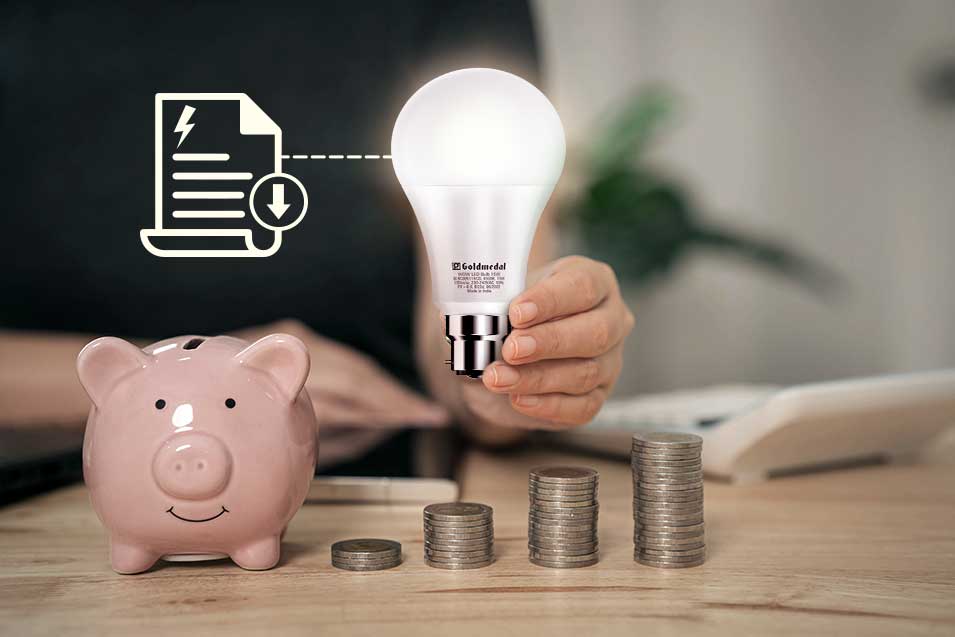
India’s rapid digital growth, combined with rising electricity costs, security concerns, and the need for convenience in busy urban lifestyles, has made smart home technology increasingly popular. From compact apartments in Mumbai and Bangalore to independent houses in Delhi and Hyderabad, homeowners are adopting smart devices to make their lives easier, safer, and more energy-efficient. While the initial investment may seem high, the long-term benefits — in terms of convenience, security, and savings — are substantial.
Here are 5 smart home devices that offer excellent value for Indian families, along with practical insights on why they are worth installing.
1. Smart LED Lighting Systems
Smart bulbs and lighting systems (such as Philips Hue, Wipro, or Syska) are among the easiest and most impactful upgrades.
Why it’s worth it:
- Control lights remotely via mobile apps or voice commands (Alexa, Google Assistant).
- Set schedules — lights turn on automatically at sunset or when you return home.
- Dimmable options and colour-changing features enhance ambiance for festivals like Diwali or daily relaxation.
- Significant energy savings compared to traditional bulbs.
In Indian homes with frequent power cuts, many smart bulbs have backup memory and resume previous settings. They are especially useful for elderly family members who can control lights with simple voice commands.
Installation Tip: Start with high-usage areas like living rooms and bedrooms. A basic starter kit costs ₹2,000–6,000 and pays for itself through energy savings within a year.
2. Wi-Fi Security Cameras
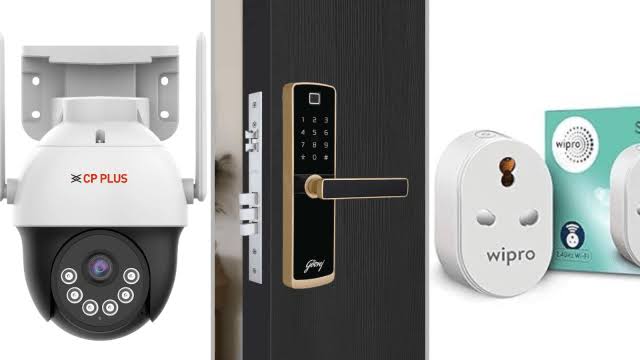
Security is a top concern for Indian families. Brands like Mi, TP-Link, Qubo, and CP Plus offer reliable indoor and outdoor cameras.
Key Benefits:
- Real-time video monitoring and motion alerts on your phone.
- Night vision, two-way audio, and cloud/local storage options.
- Weatherproof outdoor models for monitoring entrances and parking areas.
- Integration with smart doorbells for visitor verification.
In apartments and gated societies, these cameras provide an extra layer of security beyond society guards. Many models now support local storage to avoid monthly cloud fees, which is practical for cost-conscious Indian users.
Budget Range: ₹1,500–5,000 per camera. Start with 2–3 units covering main entry points.
3. Smart Plugs
Smart plugs (from brands like Wipro, TP-Link, or Amazon) turn ordinary appliances into smart devices.
Advantages:
- Schedule and remotely control fans, geysers, lamps, and chargers.
- Monitor real-time power consumption to identify energy hogs.
- Set timers — perfect for water heaters or air coolers.
- Voice control integration for hands-free operation.
For Indian homes with unpredictable power supply, smart plugs with energy monitoring help optimize usage and reduce bills. They are particularly useful for seniors or when the family is away.
Cost: ₹800–2,000 per plug. Excellent return on investment through convenience and savings.
4. Voice Assistants (Smart Speakers)
Devices like Amazon Echo, Google Nest, or Indian brands like Portronics and boAt are becoming household staples.
Value for Indian Families:
- Hands-free control of lights, fans, and other smart devices.
- Play music, set reminders, check weather, and get news updates.
- Help elderly family members with medication reminders and emergency calls.
- Multi-room audio for festive celebrations.
Voice assistants bridge the gap for tech-savvy younger members and less tech-comfortable elders, making home automation accessible.
Price Range: ₹2,000–6,000. Start with one central unit and expand.
5. Smart Water Leak Detectors and Sensors
Water wastage and leaks are major concerns in Indian homes, especially during monsoons.
Why install them:
- Immediate alerts on your phone if a leak is detected under sinks, near geysers, or in bathrooms.
- Prevent major water damage and high bills.
- Some systems can automatically shut off the main valve.
- Useful for monitoring overhead tanks and water purifiers.
Given India’s water scarcity issues and frequent plumbing problems, these devices offer peace of mind and practical utility.
Cost: ₹1,500–4,000 per sensor. Highly recommended for apartments and homes with concealed plumbing.
How to Get Started with Smart Home Devices
- Begin small: Start with 2–3 devices (smart bulbs + one camera) and expand gradually.
- Ensure stable Wi-Fi coverage — upgrade your router if needed.
- Choose devices with local Indian service support and good app ratings.
- Prioritize security: Use strong passwords and keep firmware updated.
- Check compatibility with Alexa or Google Assistant for seamless control.
Conclusion
Smart home devices are no longer luxury items but practical tools that enhance security, convenience, and efficiency in modern Indian homes. From energy savings and better security to improved accessibility for elderly family members, the five devices discussed here offer excellent value and quick returns on investment.
Start your smart home journey with high-impact, affordable devices like smart bulbs and plugs. As comfort and confidence grow, expand to cameras, voice assistants, and specialized sensors. With falling prices and improving technology, now is the perfect time for Indian families to embrace smart living. A thoughtfully equipped smart home not only makes daily life easier but also provides greater peace of mind in today’s fast-paced world.
FAQ
Q1: Are smart home devices expensive to maintain?
No. After the initial purchase, running costs are minimal. Most devices consume very little electricity.
Q2: Do smart devices work during power cuts?
Many devices have backup options or continue functioning through your router’s battery backup. Choose models with local control features.
Q3: Is Wi-Fi stability a big issue for smart homes in India?
Yes, in some areas. Invest in a good dual-band router and consider mesh Wi-Fi systems for larger homes.
Q4: Which is the best starting device for beginners?
Smart LED bulbs or smart plugs are the easiest and most affordable entry points.
Q5: Are Indian brands reliable for smart home devices?
Yes. Brands like Wipro, Syska, TP-Link, and Qubo offer good quality with strong local support.
Q6: How secure are smart home devices?
Choose devices with end-to-end encryption and regular firmware updates. Use strong, unique passwords and enable two-factor authentication.
Q7: Can smart devices help reduce electricity bills?
Definitely. Smart plugs with monitoring, automated lighting, and efficient appliance control can reduce bills by 15–30%.