In the hustle of modern Indian life, indoor plants have become more than just decorative elements — they are essential companions that improve air quality, reduce stress, and bring a sense of calm and nature indoors. With rising pollution in cities like Delhi, Mumbai, and Bangalore, erratic weather patterns, and increasing time spent indoors, adding the right plants can significantly enhance the living environment. Indian homes, whether compact apartments or spacious bungalows, benefit greatly from low-maintenance, air-purifying, and culturally resonant plants that thrive in our unique climate.
Here are the 5 best indoor plants for Indian homes, chosen for their resilience, air-purifying abilities, and suitability to our living conditions.
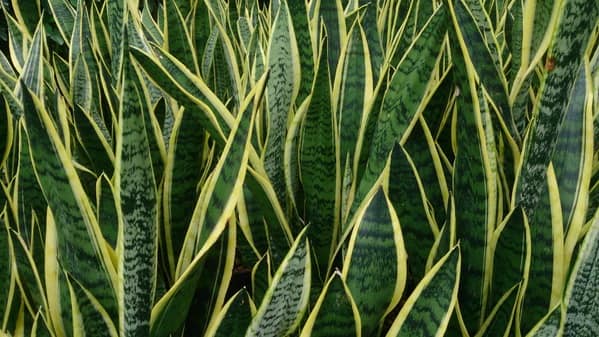
1. Snake Plant (Sansevieria trifasciata)
The Snake Plant, also known as the “Mother-in-Law’s Tongue,” is arguably the most forgiving and effective indoor plant for Indian homes.
Why it’s ideal:
It is extremely hardy, tolerates low light, irregular watering, and fluctuating temperatures. It releases oxygen at night, making it perfect for bedrooms. It also filters toxins like formaldehyde, benzene, and xylene from the air.
Care Tips:
- Light: Low to bright indirect light.
- Watering: Once every 2–3 weeks — it stores water in its leaves.
- Placement: Bedrooms, living rooms, corners with limited light.
- Propagation: Easy through leaf cuttings or division.
Indian Context: Its upright, architectural look complements both traditional and modern interiors. It is nearly indestructible even during long absences or monsoons.
2. Money Plant (Epipremnum aureum / Pothos)
The Money Plant is a classic favourite in Indian households, believed to bring prosperity and good luck according to Vastu.
Why it’s ideal:
It is a vigorous grower with trailing vines that can be trained on walls or shelves. It purifies air effectively and is excellent for beginners. It thrives in the variable light conditions common in Indian apartments.
Care Tips:
- Light: Bright indirect light (avoid direct harsh sun).
- Watering: Keep soil slightly moist but not waterlogged.
- Placement: Hanging from shelves, on tabletops, or climbing on moss poles.
- Propagation: Extremely easy — just cut a stem and place in water.
Indian Context: Its heart-shaped leaves and rapid growth make it perfect for covering empty walls or creating green partitions in open-plan living areas.
3. Peace Lily (Spathiphyllum)
The Peace Lily is prized for its elegant white flowers and deep green foliage, adding a touch of sophistication to any room.
Why it’s ideal:
It is an excellent air purifier, removing ammonia, benzene, and trichloroethylene. It also acts as a natural humidifier, beneficial in dry Indian summers.
Care Tips:
- Light: Medium to low indirect light.
- Watering: Keep soil consistently moist but not soggy. Drooping leaves are a sign it needs water.
- Placement: Living rooms, bedrooms, or near windows with filtered light.
- Flowering: Blooms more with regular feeding during growing season.
Indian Context: Its graceful appearance suits traditional Indian homes and modern minimalist spaces alike. It signals when it needs water by dramatically drooping, making it beginner-friendly.
4. Areca Palm (Dypsis lutescens)
The Areca Palm brings a tropical, lush feel and is one of the best tall indoor plants for Indian homes.
Why it’s ideal:
It is highly effective at removing indoor air toxins and adds height and greenery without taking much floor space. It performs well in the bright but indirect light common in many Indian living rooms.
Care Tips:
- Light: Bright indirect light.
- Watering: Moderate — allow top soil to dry slightly between waterings.
- Placement: Corners of living rooms or near balconies.
- Maintenance: Mist leaves occasionally in dry seasons to prevent browning tips.
Indian Context: Its feathery fronds complement both contemporary and ethnic decor. It grows well in the warm temperatures most Indian homes maintain.
5. Spider Plant (Chlorophytum comosum)
The Spider Plant is a resilient, fast-growing favourite that produces adorable “spiderettes” (baby plants).
Why it’s ideal:
It is one of the easiest plants to grow and an excellent air purifier. It is non-toxic to pets, making it safe for homes with dogs and cats. It adapts well to fluctuating conditions.
Care Tips:
- Light: Bright indirect to medium light.
- Watering: Moderate; it is forgiving of occasional neglect.
- Placement: Hanging baskets or shelves where its trailing babies can be displayed.
- Propagation: Very easy — simply pot the plantlets.
Indian Context: Its adaptability makes it perfect for busy families and first-time plant parents. It looks charming in traditional brass or terracotta planters.
General Tips for Success with Indoor Plants in India
- Soil Mix: Use a well-draining mix of garden soil, coco peat, and perlite/vermiculite.
- Watering Rule: Water only when the top inch of soil feels dry. Overwatering is the leading cause of plant death.
- Fertilization: Feed with balanced liquid fertilizer every 4–6 weeks during growing season (March–September).
- Pest Control: Use neem oil spray for common pests like mealybugs.
- Placement: Avoid direct harsh afternoon sun. Rotate plants periodically for even growth.
Conclusion
Adding the right indoor plants can dramatically improve air quality, mental well-being, and the overall ambiance of your Indian home. Snake Plant, Money Plant, Peace Lily, Areca Palm, and Spider Plant are excellent starting points because they are resilient, effective, and relatively easy to care for in our climate. Whether you have a small apartment balcony or a spacious living room, these plants will thrive with minimal effort and bring nature closer to your daily life.
Begin with 2–3 plants and gradually expand your indoor garden. The benefits — cleaner air, reduced stress, and a more vibrant home — are well worth the small investment of time and care. Embrace indoor plants as living companions that enhance your home and your well-being every single day.
FAQ
Q1: Which indoor plant is best for beginners in India?
The Snake Plant and Money Plant are the most forgiving and easiest to grow for beginners.
Q2: Are these plants safe for homes with pets?
Snake Plant, Spider Plant, and Areca Palm are generally safe. Peace Lily is mildly toxic if ingested, so keep it out of reach of pets.
Q3: How often should I water indoor plants?
Water only when the top 1–2 inches of soil feels dry. This usually means once every 7–14 days depending on the plant and season.
Q4: Can indoor plants survive in low-light Indian apartments?
Yes. Snake Plant, Money Plant, and Peace Lily are excellent for low to medium light conditions common in many apartments.
Q5: How do indoor plants help with air pollution in Indian cities?
They filter common pollutants like formaldehyde, benzene, and xylene, improving overall air quality indoors.
Q6: What is the best potting mix for indoor plants?
A well-draining mix of garden soil, coco peat, and perlite or vermiculite works well for most indoor plants in India.
Q7: How can I prevent pests on indoor plants?
Regular inspection, proper watering (avoid overwatering), and occasional neem oil spray are usually sufficient for prevention.