Japan is a country celebrated for its rich culture, advanced technology, beautiful landscapes, and world-famous cuisine. Japanese food is admired globally for its freshness, simplicity, artistic presentation, and nutritional balance. Deeply rooted in tradition, Japanese cuisine reflects the country’s respect for seasonal ingredients, natural flavors, and centuries-old cooking techniques.
Traditional Japanese food focuses on rice, seafood, vegetables, soy products, and carefully balanced flavors. Many dishes are prepared with minimal seasoning to highlight the natural taste of ingredients. From sushi and ramen to comforting soups and sweet treats, Japanese cuisine offers a fascinating culinary journey. Here is a list of the most popular traditional foods of Japan.
1. Sushi
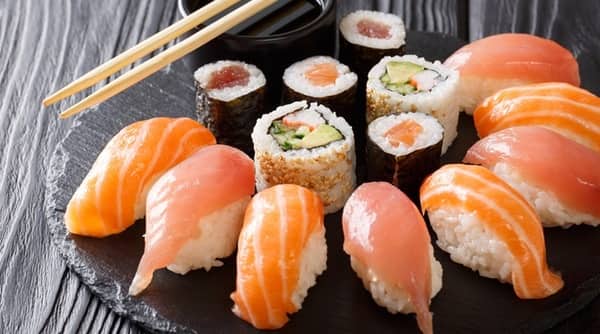
Sushi is undoubtedly the most famous Japanese dish around the world.
It is prepared using vinegared rice combined with ingredients such as raw fish, seafood, vegetables, and seaweed. Popular varieties include Nigiri, Maki, Temaki, and Sashimi-style sushi. Sushi is known for its elegant presentation and fresh flavors.
2. Sashimi
Sashimi is a traditional Japanese delicacy consisting of thinly sliced raw fish or seafood.
Unlike sushi, sashimi is served without rice and focuses entirely on the quality and freshness of the seafood. Common ingredients include tuna, salmon, mackerel, and squid.
3. Ramen
Ramen is one of Japan’s most beloved comfort foods.
This noodle soup consists of wheat noodles served in a flavorful broth made from pork, chicken, miso, soy sauce, or seafood. Toppings such as sliced pork, boiled eggs, seaweed, and green onions add depth and flavor to the dish.
4. Tempura
Tempura is a popular Japanese dish made by lightly battering and deep-frying seafood and vegetables.
The batter is delicate and crispy, allowing the natural flavors of the ingredients to shine. Tempura is often served with dipping sauce and rice.
5. Udon
Udon consists of thick wheat noodles served in a hot broth or chilled with dipping sauces.
Popular toppings include tempura, green onions, tofu, and fish cakes. Udon is appreciated for its chewy texture and comforting taste.
6. Soba
Soba noodles are made primarily from buckwheat flour and are considered a healthy traditional food in Japan.
They can be served hot in soup or cold with dipping sauces. Soba is particularly popular during New Year celebrations as a symbol of longevity.
7. Miso Soup
Miso Soup is a staple dish in Japanese households and restaurants.
Prepared using miso paste, dashi broth, tofu, seaweed, and green onions, it is commonly served alongside rice and other dishes. Its simple flavor and nutritional value make it an essential part of Japanese meals.
8. Yakitori
Yakitori is a popular Japanese street food made from skewered and grilled chicken.
Different parts of the chicken are seasoned with salt or a sweet soy-based sauce before grilling. Yakitori is commonly enjoyed with beverages in restaurants and food stalls.
9. Okonomiyaki
Okonomiyaki is often described as a Japanese savory pancake.
Made from a batter containing cabbage, flour, eggs, and various fillings such as seafood, pork, or vegetables, it is cooked on a griddle and topped with special sauces, mayonnaise, and seaweed flakes.
10. Takoyaki
Takoyaki is a famous street food originating from Osaka.
These small round snacks are made from a batter filled with diced octopus, green onions, and pickled ginger. They are cooked in special molds and topped with sauces and bonito flakes.
11. Tonkatsu
Tonkatsu is a breaded and deep-fried pork cutlet that is highly popular throughout Japan.
The crispy cutlet is usually served with shredded cabbage, rice, and a tangy tonkatsu sauce. It is a favorite lunch and dinner option for many Japanese people.
12. Sukiyaki
Sukiyaki is a traditional Japanese hot pot dish often enjoyed during family gatherings.
Thin slices of beef are simmered with vegetables, tofu, noodles, and a sweet soy-based broth. The communal style of cooking and eating makes Sukiyaki a special dining experience.
13. Onigiri
Onigiri, or rice balls, are a simple yet iconic Japanese food.
Made from rice and often filled with ingredients such as pickled plum, tuna, or salmon, they are wrapped in seaweed and enjoyed as a snack, lunch item, or travel food.
14. Mochi
Mochi is a traditional Japanese dessert made from glutinous rice that is pounded into a soft and chewy texture.
It can be eaten plain or filled with sweet red bean paste, ice cream, or fruit. Mochi is especially popular during New Year celebrations and cultural festivals.
Why Japanese Cuisine is Unique
Japanese cuisine is unique because it emphasizes freshness, seasonality, and balance. Rather than relying heavily on spices, Japanese cooking highlights the natural flavors of ingredients. Presentation is also considered an important part of the dining experience, with dishes often arranged beautifully to reflect the seasons.
The cuisine is known for its health benefits, thanks to its focus on seafood, vegetables, fermented foods, and moderate portions. Traditional cooking methods and respect for ingredients have helped Japanese food gain worldwide recognition and popularity.
Conclusion
The traditional food of Japan offers an incredible blend of simplicity, elegance, and flavor. From world-famous dishes like Sushi, Ramen, and Tempura to comforting favorites such as Udon, Sukiyaki, and Miso Soup, every meal reflects Japan’s rich culinary heritage.
Whether you are visiting Japan or exploring international cuisines, these traditional Japanese dishes provide an authentic taste of the country’s culture and traditions. Their freshness, nutritional value, and artistic presentation make Japanese cuisine one of the most admired food cultures in the world.