Ladakh, often referred to as the “Land of High Passes,” is one of India’s most breathtaking destinations. Surrounded by the majestic Himalayas and Karakoram mountain ranges, Ladakh is famous for its stunning landscapes, ancient monasteries, unique culture, and warm hospitality. Along with its natural beauty, Ladakh also offers a fascinating culinary tradition shaped by its harsh climate, Tibetan influences, and local agricultural practices.
The traditional food of Ladakh is simple, nutritious, and designed to provide energy in the region’s cold and high-altitude environment. Barley, wheat, dairy products, vegetables, and meat form the foundation of Ladakhi cuisine. Many dishes reflect the strong influence of Tibetan culture while incorporating local ingredients and cooking methods. Here is a list of the most popular traditional foods of Ladakh.
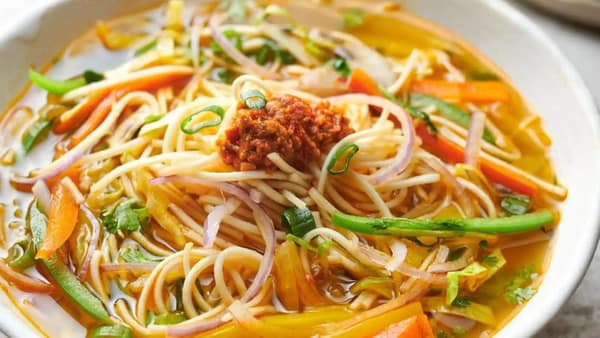
1. Thukpa
Thukpa is one of the most popular traditional dishes in Ladakh.
This hearty noodle soup consists of handmade noodles, vegetables, and sometimes meat cooked in a flavorful broth. Thukpa is especially comforting during Ladakh’s cold winters and is commonly enjoyed as a complete meal.
2. Momos
Momos are a beloved part of Ladakhi cuisine and are enjoyed throughout the region.
These steamed dumplings are typically filled with vegetables, chicken, mutton, or yak meat. Served with spicy chutney or soup, momos are a popular snack as well as a satisfying meal.
3. Skyu
Skyu is one of Ladakh’s most traditional and unique dishes.
Prepared using small hand-shaped wheat dough pieces cooked with vegetables and sometimes meat, Skyu resembles a thick stew. It is highly nutritious and provides warmth during the cold months, making it a staple comfort food in Ladakhi households.
4. Chhutagi
Chhutagi is another traditional Ladakhi pasta-like dish.
The dough is shaped into bow-tie forms and cooked in a vegetable-rich broth. Often called Ladakhi pasta, Chhutagi is filling, healthy, and perfectly suited to the region’s climate.
5. Tingmo
Tingmo is a soft steamed bread commonly served with curries and stews in Ladakh.
Its fluffy texture makes it an ideal accompaniment to meat dishes and vegetable preparations. Tingmo is influenced by Tibetan cuisine and remains a favorite in local homes and restaurants.
6. Khambir
Khambir is a traditional Ladakhi bread known for its thick texture and slightly sour taste.
Made from whole wheat flour and fermented dough, it is often eaten with butter tea, vegetable dishes, or local cheese. Khambir is an important part of everyday meals in Ladakh.
7. Paba
Paba is a staple food made from roasted barley flour.
Barley is one of the few crops that grow successfully in Ladakh’s harsh environment, making it a vital ingredient in local cuisine. Paba is usually served with vegetables, meat curries, or traditional soups.
8. Chhurpe
Chhurpe is a traditional Ladakhi cheese made from yak or cow milk.
It is available in both soft and hard varieties. Soft Chhurpe is used in cooking, while the hard version is often chewed as a snack. Rich in protein, it is an essential food in the region.
9. Yak Cheese and Yak Butter
Yak dairy products are an important part of Ladakhi food culture.
Yak cheese and butter are widely consumed because yaks are well adapted to the high-altitude environment. These dairy products are used in tea, bread, and various traditional dishes.
10. Butter Tea (Gur Gur Chai)
Butter Tea, locally known as Gur Gur Chai, is one of the most iconic beverages of Ladakh.
Made from tea leaves, yak butter, water, and salt, this drink may seem unusual to first-time visitors. However, it provides warmth, hydration, and energy, making it ideal for the cold climate of the region.
11. Mokthuk
Mokthuk is a delicious combination of momos and thukpa.
The dish features dumplings served in a rich soup filled with vegetables and spices. It is a comforting meal that combines the best qualities of two traditional Ladakhi favorites.
12. Apricot Jam
Ladakh is famous for its high-quality apricots, which thrive in the region’s unique climate.
Apricot jam is a popular local product enjoyed with bread, pancakes, and other breakfast items. It is known for its natural sweetness and rich flavor.
13. Tagi Shaqorma
Tagi Shaqorma is a traditional pasta dish prepared with dough pieces, vegetables, and meat.
This hearty preparation is often enjoyed during family gatherings and special occasions. Its rich texture and warming qualities make it ideal for Ladakh’s cold weather.
14. Ladakhi Pulao
Ladakhi Pulao is a flavorful rice dish prepared with vegetables, nuts, and aromatic spices.
Unlike heavily spiced Indian pulaos, the Ladakhi version is milder and focuses on natural flavors. It is often served during festivals and community celebrations.
Why Ladakhi Cuisine is Unique
Ladakhi cuisine is unique because it has evolved in one of the world’s highest inhabited regions. The extreme climate and limited agricultural resources have influenced the development of simple yet highly nutritious foods.
Barley, dairy products, meat, and locally grown vegetables form the core of the cuisine. Tibetan influences are evident in many dishes, while traditional cooking methods have been preserved for generations. The result is a culinary tradition that is both practical and deeply connected to the region’s culture.
Conclusion
The traditional food of Ladakh offers a fascinating glimpse into the lifestyle, culture, and environment of this Himalayan region. From warming dishes like Thukpa, Skyu, and Chhutagi to unique beverages such as Butter Tea, every food item reflects Ladakh’s resilience and heritage.
Whether you are planning a trip to Ladakh or exploring India’s diverse culinary traditions, these traditional dishes provide an authentic taste of the region. Their simplicity, nutritional value, and cultural significance make Ladakhi cuisine one of the most distinctive and memorable food traditions in India.