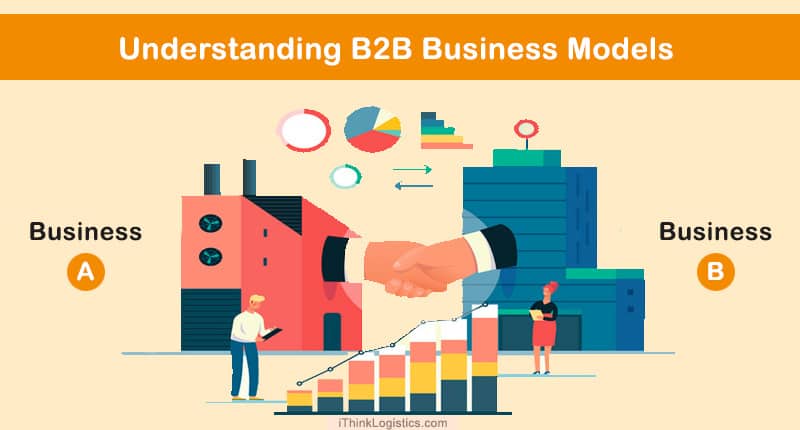
The rapid growth of the internet and digital technologies has transformed the way businesses operate around the world. Traditional business methods that once relied heavily on physical stores, paper-based processes, and face-to-face interactions are increasingly being replaced by digital solutions. This shift has given rise to the concept of E-Business, or Electronic Business.
E-Business refers to the use of internet technologies, digital platforms, and electronic communication systems to conduct various business activities. It includes buying and selling products online, managing customer relationships, processing payments, conducting marketing campaigns, handling supply chains, and communicating with stakeholders through digital channels.
Today, businesses of all sizes use e-business strategies to improve efficiency, reduce costs, and reach a wider audience. From online retailers and service providers to manufacturers and multinational corporations, e-business has become an essential part of modern commerce.

However, while e-business offers numerous advantages, it also comes with challenges such as cybersecurity risks, technological dependence, and intense online competition. Understanding the advantages and disadvantages of e-business can help entrepreneurs and organizations make informed decisions about adopting digital business practices.
What is E-Business?
E-Business, short for Electronic Business, refers to conducting business processes through electronic networks, primarily the internet.
Unlike e-commerce, which focuses mainly on online buying and selling, e-business covers a broader range of activities, including:
- Online sales and purchases
- Customer service management
- Digital marketing
- Supply chain management
- Electronic payments
- Inventory tracking
- Internal communication systems
- Business analytics
The goal of e-business is to use technology to improve efficiency, productivity, and customer satisfaction.
Advantages of E-Business
1. Global Market Reach
One of the biggest advantages of e-business is the ability to reach customers worldwide.
Unlike traditional businesses that are limited by geographic boundaries, e-businesses can:
- Sell products internationally
- Attract customers from different countries
- Expand brand awareness globally
This larger market reach creates significant growth opportunities.
2. Lower Operating Costs
E-businesses often require lower operational expenses compared to traditional businesses.
Businesses can reduce costs related to:
- Physical storefronts
- Utility bills
- Printed marketing materials
- Administrative paperwork
These savings can improve profitability and business efficiency.
3. 24/7 Business Operations
An online business can operate around the clock without time restrictions.
Benefits include:
- Continuous sales opportunities
- Improved customer convenience
- Increased revenue potential
- Better customer accessibility
Customers can browse products and make purchases at any time.
4. Faster Transactions
Digital platforms enable businesses to process transactions quickly and efficiently.
Examples include:
- Online payments
- Automated order processing
- Digital invoicing
- Instant customer communication
This speed improves customer satisfaction and operational productivity.
5. Improved Customer Experience
E-business allows companies to provide personalized experiences through technology.
Businesses can offer:
- Product recommendations
- Personalized marketing
- Live chat support
- Easy order tracking
These features help build stronger customer relationships.
6. Better Data Collection and Analysis
Digital platforms generate valuable customer and business data.
Businesses can analyze:
- Customer behavior
- Sales trends
- Website traffic
- Product performance
These insights help improve decision-making and marketing strategies.
7. Scalability and Growth
E-business models can scale more easily than traditional businesses.
Companies can:
- Add new products quickly
- Enter new markets
- Increase customer capacity
- Expand operations efficiently
Technology makes growth more manageable and cost-effective.
8. Enhanced Marketing Opportunities
Digital marketing provides businesses with powerful tools to reach targeted audiences.
Popular methods include:
- Search Engine Optimization (SEO)
- Social media marketing
- Email marketing
- Pay-per-click advertising
- Content marketing
These strategies can generate high returns on investment.
Disadvantages of E-Business
1. Cybersecurity Risks
One of the biggest challenges of e-business is the threat of cyberattacks.
Businesses may face:
- Data breaches
- Hacking attempts
- Identity theft
- Payment fraud
Protecting customer information requires continuous investment in security measures.
2. Dependence on Technology
E-business operations rely heavily on technology and internet connectivity.
Problems such as:
- Server failures
- Website crashes
- Software errors
- Internet outages
can disrupt business activities and affect customer satisfaction.
3. Intense Online Competition
The internet has lowered barriers to entry, making it easier for businesses to compete online.
As a result, companies face:
- Price competition
- Market saturation
- Increased advertising costs
- Difficulty standing out
Strong branding and marketing are essential for success.
4. Lack of Personal Interaction
Traditional businesses often build customer relationships through face-to-face communication.
In e-business, the absence of personal interaction may:
- Reduce customer trust
- Create communication challenges
- Affect customer loyalty
Businesses must use digital tools to maintain strong customer engagement.
5. Initial Technology Investment
Although operating costs may be lower over time, launching an e-business often requires initial investments in:
- Website development
- Software systems
- Security solutions
- Digital marketing tools
These costs can be significant for startups.
6. Logistics and Delivery Challenges
Businesses selling physical products online must manage:
- Inventory
- Shipping
- Delivery tracking
- Returns management
Delays or logistical issues can negatively affect customer satisfaction.
7. Legal and Regulatory Compliance
E-businesses must comply with various laws related to:
- Data protection
- Consumer rights
- Taxation
- Electronic transactions
Managing compliance across different regions can be complex.
8. Trust Issues
Some customers remain concerned about:
- Online payment security
- Product authenticity
- Privacy protection
Building trust requires secure systems, transparent policies, and strong customer support.
E-Business vs Traditional Business
| Factor | E-Business | Traditional Business |
| Market Reach | Global | Local or Regional |
| Operating Hours | 24/7 | Limited Hours |
| Setup Cost | Moderate | High |
| Customer Interaction | Digital | Face-to-Face |
| Operating Costs | Lower | Higher |
| Scalability | High | Moderate |
| Data Collection | Extensive | Limited |
| Dependency on Technology | High | Lower |
Both models have advantages, and many businesses today combine online and offline operations to maximize success.
Tips for Running a Successful E-Business
Invest in Cybersecurity
Protecting customer data should be a top priority to build trust and avoid security breaches.
Focus on User Experience
A fast, mobile-friendly, and easy-to-navigate website improves customer satisfaction and conversion rates.
Use Digital Marketing Effectively
SEO, content marketing, and social media campaigns can help attract and retain customers.
Provide Excellent Customer Support
Prompt responses and efficient problem resolution help build customer loyalty.
Analyze Business Data Regularly
Monitoring performance metrics enables businesses to identify opportunities for improvement and growth.
Conclusion
E-business has revolutionized the way organizations operate by leveraging digital technologies to improve efficiency, customer engagement, and market reach. The ability to operate globally, reduce costs, automate processes, and provide personalized experiences has made e-business a preferred model for many modern organizations.
However, e-business also presents challenges such as cybersecurity threats, technology dependence, online competition, and logistical complexities. Success requires a strong digital strategy, reliable technology infrastructure, effective marketing, and a commitment to customer satisfaction.
As internet usage and digital transformation continue to grow worldwide, e-business will remain a critical component of the global economy. Businesses that successfully embrace digital innovation and adapt to changing customer expectations are likely to achieve long-term growth and competitive advantage.
Frequently Asked Questions (FAQs)
1. What is e-business?
E-business refers to the use of internet technologies and digital platforms to conduct various business activities such as sales, marketing, customer service, and operations management.
2. How is e-business different from e-commerce?
E-commerce mainly focuses on online buying and selling, while e-business includes a broader range of business processes such as customer management, supply chain operations, and digital communication.
3. What is the biggest advantage of e-business?
Global market reach is one of the biggest advantages, allowing businesses to connect with customers worldwide.
4. What is the main disadvantage of e-business?
Cybersecurity risks are among the biggest challenges because businesses must protect sensitive customer and company data.
5. Why is e-business important today?
E-business helps companies improve efficiency, reduce costs, reach more customers, and remain competitive in the digital economy.
6. Can small businesses benefit from e-business?
Yes. E-business provides affordable tools and platforms that allow small businesses to compete with larger companies and reach wider markets.
7. What technologies are commonly used in e-business?
Common technologies include websites, mobile applications, cloud computing, digital payment systems, customer relationship management (CRM) software, and analytics tools.
8. Is e-business suitable for all industries?
Most industries can benefit from e-business, although the level of digital adoption may vary depending on the products, services, and target customers.