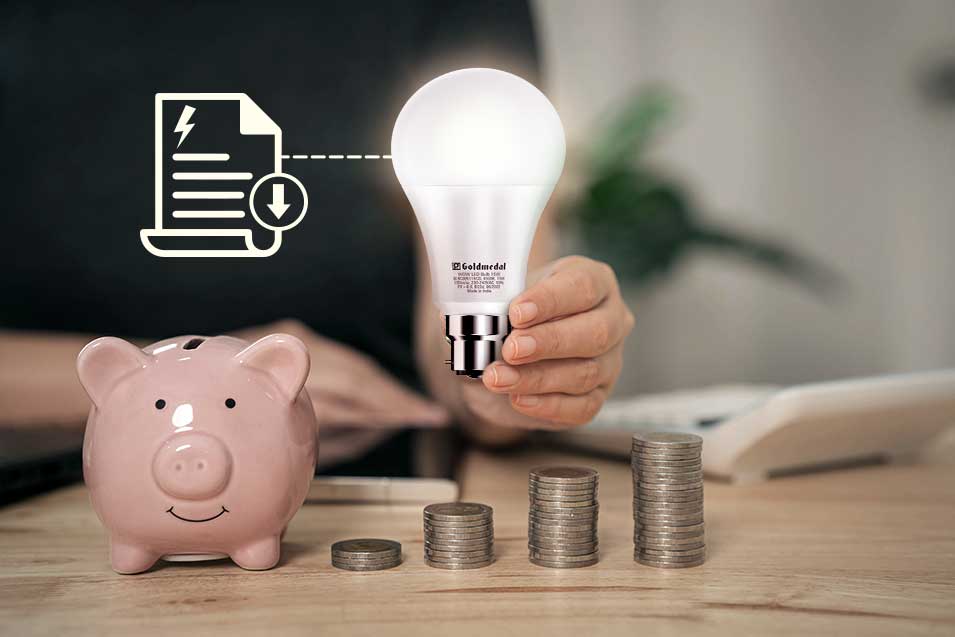
Electricity bills are a significant monthly expense for most Indian households. With rising tariffs, frequent use of air conditioners, geysers, refrigerators, and fans, and increasing adoption of electronic gadgets, many families find their bills climbing steadily. The good news is that you can reduce your electricity consumption by 20–40% through simple habit changes, smart upgrades, and efficient practices without compromising comfort. This not only lowers your monthly outflow but also contributes to energy conservation and environmental sustainability.
This comprehensive guide offers practical, actionable tips tailored for Indian homes — from compact urban apartments to independent houses — to help you cut electricity bills effectively.
1. Optimize Your Cooling and Heating Appliances
Cooling and heating account for a large portion of household electricity use, especially during extreme summers and winters.
- Air Conditioners: Set the temperature between 24–26°C. Every degree lower increases consumption by 6–8%. Use ceiling fans along with ACs to feel comfortable at higher temperatures. Service ACs annually and clean filters monthly. Use timers or smart ACs that switch off automatically.
- Fans: Ceiling fans are far more energy-efficient than ACs. Use them on medium speed and turn them off when leaving the room. Replace old fans with energy-efficient BEE 5-star models.
- Geysers: Switch to solar water heaters if possible. For electric geysers, set the thermostat to 50–60°C and use timers. Take shorter showers and insulate pipes to reduce heat loss.
Savings Tip: In summers, use desert coolers in dry regions instead of ACs where feasible.
2. Upgrade to Energy-Efficient Appliances
Old appliances consume significantly more power.
- Replace incandescent bulbs and CFLs with LED lights. LEDs use up to 80% less electricity and last much longer.
- When buying new appliances (refrigerators, washing machines, TVs), always choose BEE 5-star rated models. The initial extra cost is recovered through lower running costs within 1–2 years.
- Use microwave ovens and induction cooktops instead of gas or traditional electric stoves for faster and more efficient cooking.
3. Adopt Smart Daily Habits
Small behavioural changes create big savings over time.
- Turn off lights, fans, and appliances when not in use. Use smart plugs or automation for convenience.
- Unplug chargers and devices when fully charged — they continue to draw power in standby mode.
- Wash clothes in full loads and use the eco or quick wash modes on washing machines.
- Avoid opening the refrigerator door frequently. Keep it well-organized to find items quickly.
- Cook in batches and use pressure cookers, which consume less energy.
4. Improve Home Insulation and Ventilation
A well-insulated home requires less cooling and heating.
- Seal gaps around windows and doors to prevent cool air from escaping.
- Use curtains or blinds during peak summer afternoons to block direct sunlight.
- Apply reflective roof coatings or whitewash terraces to reduce heat absorption.
- Ensure proper ventilation to reduce reliance on fans and ACs. Cross-ventilation naturally cools rooms in the evenings.
5. Monitor and Manage Usage
Knowledge helps control consumption.
- Install a home energy monitor or smart meter to track real-time usage.
- Check your electricity bill breakdown to identify high-consumption appliances.
- Shift heavy usage (washing machines, water heaters) to off-peak hours if your utility offers time-of-day tariffs.
Long-Term Investments That Pay Off
- Solar rooftop systems: With government subsidies, solar panels can drastically cut bills and even generate income through net metering.
- Energy-efficient inverter ACs and refrigerators.
- Home automation systems for better control.
Conclusion
Reducing electricity bills at home requires a combination of mindful habits, energy-efficient appliances, and smart home improvements. By focusing on cooling optimization, upgrading to LED lighting and 5-star appliances, improving insulation, and monitoring usage, Indian families can achieve substantial savings while contributing to a greener future.
Start with low-cost changes like better habits and LED replacements, then gradually invest in bigger upgrades like solar systems or efficient ACs. Track your bills month-on-month to measure progress. Every unit saved not only reduces your expenses but also supports the nation’s energy sustainability goals. A conscious approach to electricity usage makes your home more economical, comfortable, and environmentally responsible.
FAQ
Q1: How much can I realistically save on electricity bills?
With consistent efforts, most households can reduce bills by 20–40% within 3–6 months.
Q2: Are 5-star rated appliances worth the extra cost?
Yes. They recover the additional investment through lower running costs within 1–2 years.
Q3: What is the biggest electricity consumer in Indian homes?
Air conditioners, geysers, and refrigerators usually account for the highest consumption.
Q4: How do I check for hidden electricity wastage?
Use an energy monitor or check your meter when all appliances are off. Standby power from TVs, chargers, and routers adds up significantly.
Q5: Is solar power a good investment for Indian homes?
Yes. With subsidies and net metering, solar systems can reduce bills by 70–90% and pay for themselves in 4–6 years.
Q6: What temperature should I set my AC at?
24–26°C is ideal. Every degree higher can save 6–8% on cooling costs.
Q7: How often should I service my AC and geyser?
Service air conditioners before summer and geysers before winter for optimal efficiency and lower bills.